
Episode Summary
It’s a new year and while so much is going wrong in the country and the world right now, there are actually some signs of hope. President Donald Trump’s abduction of Venezuelan president Nicolas Maduro could certainly be the beginning of a period of prolong violence in that country, but the fact that Trump is engaging in foreign policy adventurism is actually proof of his political insecurity here at home. Trump’s weakness is easy to see: Democratic candidates vastly over-performed polls last November. Trump’s approval ratings in general and on the economy are near record lows. The administration’s cover-up of Jeffrey Epstein’s crimes has deeply conflicted many of his supporters. Congressional Republicans just scheduled their first-ever votes to override Trump vetoes.
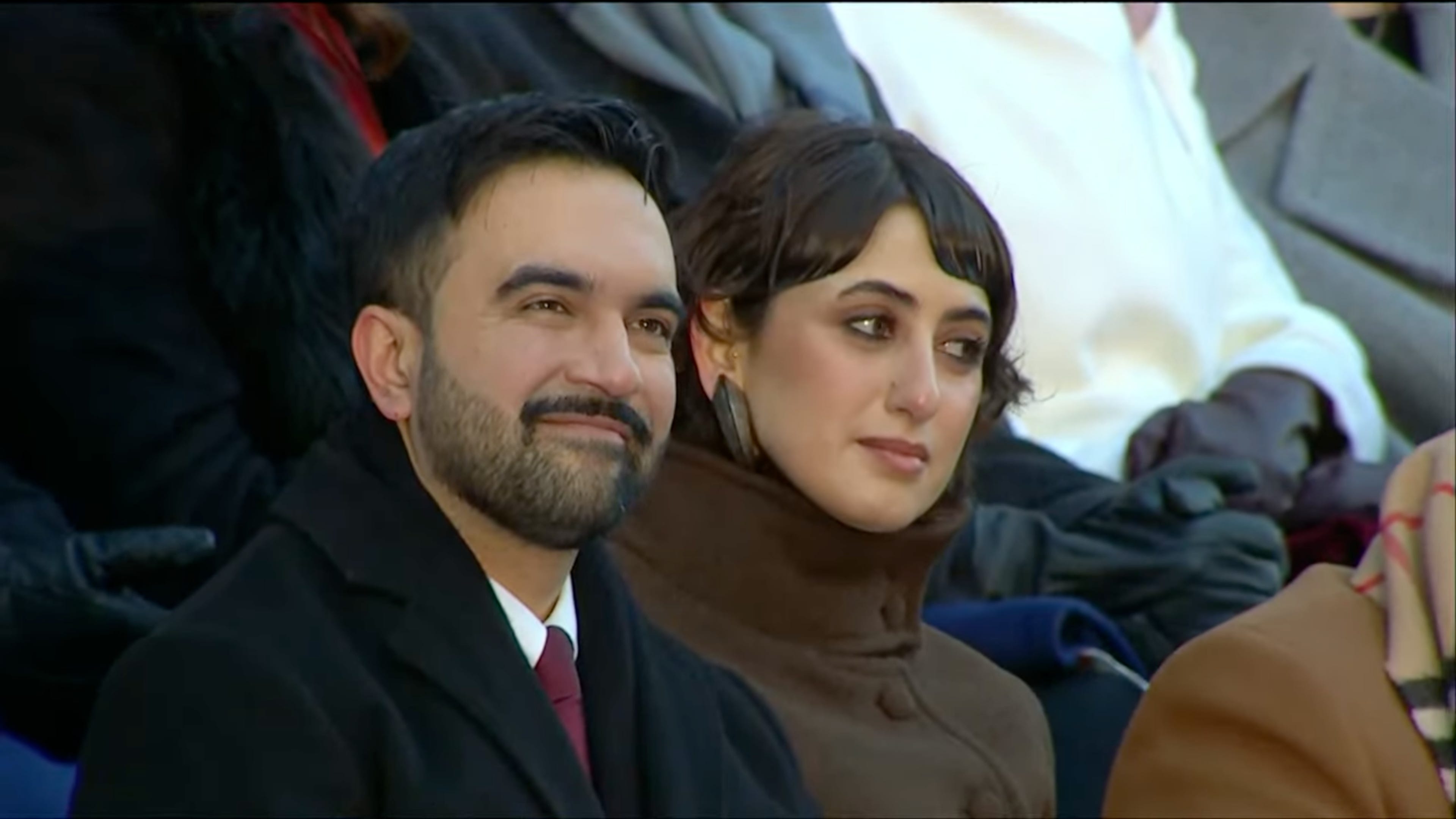
Of course, we have no idea what else 2026 will bring, but a big part of ensuring better outcomes is envisioning how they can be made. And in that regard, the new mayor of New York City, Zohran Mamdani, is very much worth discussing. In the first place, his policy positions are much more in line with Americans’ desire for massive social changes. But it’s not just the policy. As a candidate, Mamdani is a great example of a Democrat who has adapted to the current media and political environment, and he was someone willing to put in the grueling work of rallies and on-the-ground campaigning—just like Trump was in 2024.
Talking about all of this with me today is Elizabeth Spiers, she’s a contributing writer at the New York Times, a podcaster at Slate, and a former editor of the New York Observer.
The video of our conversation is available, the transcript is below. Because of its length, some podcast apps and email programs may truncate it. Access the episode page to get the full text. You can subscribe to Theory of Change and other Flux podcasts on Apple Podcasts, Spotify, Amazon Podcasts, YouTube, Patreon, Substack, and elsewhere.
Related Content
MAGA and Trump are much less popular after his first year back in the White House, can Democrats seal the deal with the public?
By failing to challenge Trump on immigration, Democrats are ceding the critical issue of American identity
The civic institutions and cultural pillars of our country must be strengthened
Since Democrats are hiding their 2024 autopsy, here’s ours
As Republicans have radicalized, Democrats have become more passive—and less successful electorally
Why Democratic establishment consultants aren’t doing political science
Flashback: Trump’s big 2024 bet on low-engagement Americans
Audio Chapters
00:00 — Introduction
03:16 — Trump is stuck in the 80s, Democrats are stuck in the 90s
14:03 — How voters actually make decisions
22:47 — Democgraphic identities and economic issues are linked
28:03 — Trump’s appeal across demographics
32:23 — Democrats playing defense on trans issues
38:20 — Trump and Mamdani put in the personal ground work that their rivals did not
52:50 — Curtis Sliwa as an example of a Republican who likes an anti-oligarch message and agenda
01:02:13 — Democrats have to aim for gigantic majorities, not just ‘wins above replacement’
Audio Transcript
The following is a machine-generated transcript of the audio that has not been proofed. It is provided for convenience purposes only.
MATTHEW SHEFFIELD: We were just talking before our recording here, that in a lot of ways it’s like Donald Trump is stuck in the 1980s and Democrats are stuck in the 1990s.
ELIZABETH SPIERS: Yeah, I believe that, I think with Trump, you know how when people peak in high school, they can’t really think about anything else except through the lens of that, that was sort of their high moment and they want to go back there? That’s Donald Trump. B ecause in late eighties, 80, 88, 89 in particular, was kind of his peak in New York society—which is still a place that he wants to be on top of and has always kind of rejected him, but they probably rejected him the least during the late eighties. [00:04:00]
And so I think he has done everything in his power to try to be accepted by New York elites. And it’s just never worked for him for a variety of reasons. But you see it in kind of the way that he makes decisions now, the way he views the world. The stuff that’s going on in Venezuela right now, I think.
I was joking with somebody yesterday that part of it was that he wanted his own Manuel Noriega and that Maduro wasn’t cooperative, so he just went in and abducted him. But the more I think about it, the more I think that’s actually part of it. He, he has this sort of memory of US activities in Latin America and cooperating with, dictators and using them as assets and then it, when they, when they start to be uncooperative, just arresting them and charging them with drug trafficking.
And but it’s, you see it more in his sort of day-to-day, his aesthetic the things that he talks about, the things that he values. And, and I think he, he would happily doom all of us living in 1988 if he could snap his fingers and do it.
SHEFFIELD: Oh yeah. And I mean, hell, he is trying to bring back the Star Wars program of Ronald Reagan.
SPIERS: Yeah, it’s amazing. I feel like he read a kid’s book about Reagan and took the top lines and said, well, alright, I’m just going to take all of the Reaganism that I think conservatives during that period liked and then replicate them without actually understanding anything about them. He sort of like took the slogan, make America Great Again. He has a very superficial understanding of both history and Reaganism.
SHEFFIELD: Well, he does, and, and even with regard to Russia as well, because like if you’re kind of dumb and you look at eighties history You it’s easy to see, wow. He was doing all these deals with the Russians and cooperating with them, and helping them build a better country and make our country safer by making deals with them. Like even though it was the opposite of what Reagan’s intentions were.
SPIERS: Well, he [00:06:00] thinks that all of foreign policy, in fact all of his job is really, analogous to being in business. And so, another thing I used to work in finance and one of the things that I, I sort of observed then was that there were so many Wall Street people who saw the movie, wall Street did not understand it as a satire.
They thought of it as a playbook. And Gordon Gecko as a kind of hero. And that is precisely the kind of person that Donald Trump admires. And, these strongmen that he sucks up to are, are sort of gecko types. I mean, that, that describes Putin perfectly. And he admires them. So it’s hard for him to sort of wrap his head around the idea that, the Cold War happened for a reason.
Democrats stuck in the 1990s
SPIERS: He thinks it was all just a big misunderstanding that we can just talk past and he’d rather be friends with the Gecko figure than, and, and, and any kind of antagonism.
SHEFFIELD: Yeah. Yeah. Well, and then on the democratic side of the aisle looks like the powers that be continue to be stuck in a time warp in that regard. Just one decade
SPIERS: yeah, so my theory about that is that a lot of the people who still retain a lot of influence and power are people who came out of these campaigns in the nineties, where this sort of centrist model that had some libertarian characteristics that wasn’t as hostile to neoliberalism was electorally successful.
That was a long time ago. Every time I see James CarVal being trotted out on a stage to explain what Democrats should be doing, now I want to slip my wrist because I, I don’t think that that model is relevant to the electorate we have now, or the times or, or anything that we’re dealing with. But when you have these entrenched.
An entrenched class of people who are responsible for determining how Democrats talk to their voters. And they still consist of mostly those people. We do have a gerontocracy problem. We end up with that kind of rhetoric and I, I, I think it’s just very out of touch with where [00:08:00] people are now.
SHEFFIELD: Yeah, it is. And here’s, here’s another further irony about this viewpoint though, is that given the state of the economy in 1992 and the, the, the long lag between the, because, there were like GDP numbers had actually recovered by the election of 92, but, had not, and there were a bunch of other things that had not so.
This was effectively an election in which, and then you had Ross Perot, coming in, siphoning away a lot of the people who might not have liked the Republican abortion policies or things like that. because he was pro choice. And so basically it’s almost like I have to say that I think almost any Democrat who ran a reasonably competent campaign would’ve won in 1992.
And it had almost nothing to do with their strategy.
SPIERS: I, I think I, I definitely think that the secular factors were at work there. I, I wouldn’t go so far as to say, to say any Democrat.
SHEFFIELD: I mean, it’s hard. I said, well, I said they had to be competent!
SPIERS: Yeah. Fair.
SHEFFIELD: And then the same thing also by the way, is true about. Barack Obama in 2008, I would say, because like if you look at polls about, what is the public opinion about what’s your, what is your view of the economy, like the state of the economy and how it’s going, 1992, it was like a, it had a steep slide sorry 2008 had a, it was a steep slide. And so like, again, uh, and then you had the, the Katrina disaster and the Iraq disaster. Like any of those Democrats that were running that year that had a, that were in the top tier candidates, they would’ve won.
Now I think Obama himself as a candidate would, was a very good candidate. But the strategy and the positioning they were not as important as his qualities as a candidate and then the overall environment.
SPIERS: He wasn’t a progressive, he was, he was a fairly centrist candidate [00:10:00] on, on most levels. So I, I don’t think that Democrats were making a radically different choice, except in the sense that they elected the first, black man as president. I, I think on a policy basis, Obama was not, a radical departure from prior Democrats.
SHEFFIELD: But I’m just saying as in that the, like this idea of lionizing presidential strategists because they took part in a campaign that largely would’ve won without them,
SPIERS: Yeah. Well, I think it’s Carvile and the war room did a lot to sort of turn those people into quasi celebrities and as much as you can be one, and, and, the tiny sphere, political world. So I, I think that that’s sort of like an an x-factor that, I wrote a column for the Times about how I thought people of that generation had also been brainwashed by the West Wing.
And, and for similar reasons. And, and I think sometimes there’s a culture that evolves that, or sometimes devolves a around the way political operatives think about the world that’s really driven by outside portrayals of what happened. And, and I think that’s why we’re, we’re all stuck with Carville.
SHEFFIELD: Yeah,
SPIERS: About everything.
SHEFFIELD: I, yeah, I think that’s a really good point. But, so for, I think a lot of people, they maybe have been too young to have watched that show though, so maybe why don’t you give us a little summary for those who are not familiar.
SPIERS: So people who are obsessed with the West Wing would dispute my characterization of this, but that’s because I, I find the West Wing kind of catchy and sometimes insufferable, uh, and, and it’s basically the paradigm of the West Wing is that you have. Essentially, well-meaning President and Jed Bartlett, who is ostensibly a Democrat.
Uh, but Bartlett is continually reaching across the aisle to equally well-meaning, but wrongheaded Republicans. And fundamentally, everybody at the end of the day wants America to be, [00:12:00] unified and not divided. And, uh, it, it’s this sort of it, it’s a sort of chorus that you hear a lot in Democratic messaging that talks about bipartisan cooperation, uh, or, you know, the idea that really, you know, we just need to talk to each other, that we have a, a sort of dialogue problem and not political problems.
Uh, and that’s not to say that, the West Wing never got into the weeds, but there would be, there were a lot of kind of saccharin moments where the
SHEFFIELD: And we should say it’s, and I’m sorry, I should say it’s Aaron Sorkin.
SPIERS: Yes. And this sort of idea that there’s some vast homogenous middle that really wants all the same thing is, is something that the show kind of really is sort of built on, and the idea that there’s fundamentally not very much difference between the parties at, at the center.
So I wrote this column for the Times about Democrats being brainwashed by the West Wing, and then a couple weeks later, Aaron Sor, Aaron Sorkin wrote a column for the time suggesting that if Democrats wanted to bring the country together, they should nominate MIT Romney as the candidate and the primary.
And, and, I, I, I couldn’t ask for a better validation of my thesis, but that that mentality is still there. You, you hear it. And I mean, not just CarVal, but you know, a lot of people of his generation who have worked on that generation of campaigns. Talk about particularly a kind of fictionalized swing voter that always looks the same, and if, if you’re working in modern politics, you, and you have a lot of interaction with people who are actual swing voters, one thing that will become apparent to you very quickly is that not only are they not homogenous, they often vote for erratic and esoteric reasons. And that, ideology isn’t a linear continuum.
It’s, it’s more like a 3D plot. You can be highly conservative on certain issues and highly liberal and others, or vice versa. And it doesn’t necessarily wholly [00:14:00] determine where you line up in a partisan lineup.
How voters actually make decisions
SHEFFIELD: Yeah. Yeah. Well, and also that people change their opinions a lot. In terms, especially in terms of candidates. If, if they’re, if they don’t have, as you said, if they don’t have a consistent ideology and you know that that’s what you would expect them to be doing, and that they are choosing in part based on personality.
I mean, that’s or their personal vibe of a candidate. So like one, one thing in political science that is a, I mean, the, like, here’s the irony. I think the sad, sad irony of, of uh, democratic politics is that, the vast majority of political science professors are Democrats or for even further left.
And yet the Democratic Party listens to them almost not at all doesn’t
SPIERS: Well here, here’s
SHEFFIELD: that they have to say. And sorry. Well, sorry. And just, and then like, and they, but.
like,
one of the things that they’ve said is that and studies have consistently shown that when you have a woman candidate voters are more likely to think that she’s more liberal and she actually is.
And so, and so then that was true with Hillary, It’s true outside of the US also, that they assign liberalism to female candidates automatically subconsciously a lot of people do. And, and,
and
so I don’t, I, they didn’t really play into that at all or do anything about it as far as I saw it.
Or very much, or, or, or at least, I don’t know. So like people, in other words, this is my long-winded way of saying that people vote based on their comfort. A lot of people just vote on their personal vibe. And, and if you can’t accept that and that they’re not voting on the issues, they’re just voting on, well, who, who makes me feel comfortable?
SPIERS: Yeah, I think that’s, that’s very often true. I think that’s part of the reason why a lot of our messaging falls. We talk to people like they are the embodiment of, the platonic economic man who’s making a rational choice between different policies. And that’s just not the way most people think about it.[00:16:00]
But, to, to your point about academic research, we don’t have a huge body of academic research around voter behavior that I think is enormously relevant in modern elections. Partly because in order to study it, you and, and I say this, having worked with academics in some randomized controlled field experiments first of all, you, you have to be able to find people who can do these studies who are not partisan aligned.
If, if they’re going to be, if they’re going to meet all of the, sort of fairly rigorous. Study constraints that would lead them to being disseminated outside of partisan circles. Another thing is that, if you’re studying elections, especially presidential elections, they only happen every four years.
It’s very difficult to draw massive conclusions when you have, you have, there’s one big national set of data, and it’s the national election survey that comes out, well after the election. But with that kind of frequency, we, at best, we can kind of look at the data and make some reasonable assumptions, and then we might be wrong about all of them.
It’s, it’s not like a, a strictly. It’s not like testing something where you have a lot of frequency and you can see patterns emerging over time. It’s, it’s really just we’re working with what we have. And our explanations are heavily determined by historical context and what we’ve seen before, which is why we miss a lot of stuff, especially if it’s emergent and it just hasn’t showed up in earlier elections.
SHEFFIELD: Yeah, yeah, that’s a good point too. But even
so, I mean,
there’s just, there’s so much in political science that has come out in terms like when they do, ’cause you can run things with, house races or other countries or like, so
there are
some things that, and of course, yeah, it’s, it’s still nothing’s definitive.
But nonetheless, like one of the things that is pretty unanimous is that campaign money. Doesn’t really do anything very much in at the executive [00:18:00] level. So, you know, at the national level, the brand of the presidential candidates is no, like people know who they are, and watching another ad about it isn’t going to make you interested in supporting
them.
Not at all.
SPIERS: I think at the presidential level that’s absolutely true. I, I think down ballot, it, it does unfortunately make a huge difference.
SHEFFIELD: Well, yeah, and
that’s
because name recognition is much, much less. So yeah,
SPIERS: Well, and, and there’s less, less earned media too. That’s, that’s, it’s hard to sort of calculate the value of that.
SHEFFIELD: That’s true. Yeah. So, but you know, so I mean, still as it is though so much of the, the democratic calculus, it does, it fits into this nineties messaging model I think, in that not just in terms of thinking that people have consistent, moderate preferences, but also in that they think that, well, we were just going to have the right message, the perfect message uh, and the one, the one message to rule them all, if you’ll, And that’s not how things work anymore nowadays.
SPIERS: And they workshop it to death, and you end up with not just one message. It’s, it’s always the most anodyne, uncompelling thing ever. One of the things I, I thought during the first Trump campaign, uh, when Jared Kushner hired Brad Parscale, Parscale was coming out of lead generation and digital marketing didn’t know shit about politics.
But that turned out to be a little bit of a strength. And the chaos of the administration turned out to work to their advantage because Parscale would just throw shit against the wall and see what stuck. And they were not. You know, there was no real message control. But as a result, you sort of had a defacto experimental environment where, you know, they would just try stuff and they sort of understood better than I think we did, that the media cycle is so fast that if you put out a message that doesn’t work or you know, there’s some downside liability to it, it’s going to disappear in like two days.
It’s going to be [00:20:00] out of the discourse. And so as a result, they were able to, I think, surface a bunch of messages that worked and they, they didn’t feel the need to like consolidate them into a consistent platform because they didn’t, Trump didn’t have that kind of consistency. So they, you know, would target one message to a specific audience that they thought it would resonate with and then say exactly the opposite thing to another audience.
And, that’s not an honest way to communicate with voters, but it was effective for them.
SHEFFIELD: Yeah. Well, yeah, shameless dishonesty can be an advantage on the campaign show. who
SPIERS: Yeah, I don’t, I don’t advise that we adopt that. I, on principle, so,
SHEFFIELD: yeah.
Well, and, and as a long-term matter, it, it doesn’t work either because, and we saw in 2024 that the Trump did worse among people who followed politics more so like the people who had paid attention and had been listening to what he was saying.
They did not support And so, and, and, but then of course the Democrats, they had the
other,
kind of, the other problem in that, a lot of democratic consulting tends to have kind of a, a fixed model of, of non-white voters in thinking that, well, they’re going to support.
The
Democrats because they’re this race.
Or people, well, women will support or women will support Harris ’cause she’s a woman. Or Asians will support her ’cause she’s a, Asian and none of those things turned out to be true.
SPIERS: Well, I think that’s, it depends on which population. I, I agree that, nobody’s going to support a candidate solely based on identity. I don’t think that that means that identity isn’t important. If you’re looking at, particularly there, there are a lot of minority populations that vote so consistently democratic and, if, if population is voting, 80 plus percent, it’s, it’s a fair statement to say that population generally skews democratic and, and to sort of assume in the next election that unless you fuck it up, they’re still going to [00:22:00] vote that way.
But I, I do think I don’t think you can take it for granted that those populations are always going to turn out for you. And this is where I, I think there are a lot of people who don’t really distinguish between turnout and where natural constituencies lie. I, I think when Democrats screw up serving their, their core base, a lot of those people just stay home.
They don’t turn around and vote for Republicans, but they do stay home. And, and I think that’s why you, you sort of can’t ignore the people who have shown up for you the most consistently and very often that is, less, women as a class, but minorities certainly white women have done plenty of voting for Trump.
But you know, I, I, so I, my feeling is you can’t pin everything on identity. You also can’t dismiss it. So,
Democgraphic identities and economic issues are linked
SHEFFIELD: Yeah, but it’s, and it’s also that these, identity markers, if you’ll are, or characteristics they are correlated to policies in a general sense. So you know that if you are a woman who, might want to have an abortion at some point in your life, then you know, it’s not a, it is not to your advantage to vote for Republicans.
SPIERS: Or if you just need to be on birth control for hormonal reasons, you know, all there, there are things that people just don’t even, I I, I think the people who are sort of dismissive of identity and politics sometimes don’t realize how deep those political choices, the policy choices affect specific populations.
You know, they don’t, you know, really understand the extent to which housing, uh, is heavily driven by race in a lot of places. Or, environmental regulations, environmental justice is something that I’ve worked on before. Where, you know, we had a, in fact, one of my first. Policy experiences was in college when I was working on a a project for the Alabama attorney general’s office about a, a stockpile of chemical weapons in Anniston, Alabama that we’d had been sitting around since the Korean War and the military [00:24:00] was trying to figure out how to dispose of them.
Uh, and they consistently wanted to dump them in the backyards of these predominantly black poor communities. So that’s the kind of thing that, you know, it’s like if I said, how does chemical weapon disposal policy, how is that related to identity? It may not be facially related to you, but you know, whenever you, you sort of, if you’re, if you’re black person who lives in that area of anniston, you absolutely know why identity is matters in that case.
And these things aren’t apparent to, especially to voters who don’t fall into those groups of people who are affected because you’re just not aware of it. It’s, it’s not part of your life. And so most voters don’t walk around with some global knowledge of how. All policies affect everybody else.
They, they really only understand how policies affect them for the most part.
SHEFFIELD: Yeah.
Well, and I guess the, the reason I’m bringing it up though is just that they, it seems like a lot of the strategies tend to just kind
of, they
look at the trends and they just assume they will continue. And, and like on the Republican
side, Republicans didn’t
really try very much to get the votes of black Americans, like,
SPIERS: they don’t have to, I mean, their, their identity politics based too, but their politics are different. Their, their, their identities are primarily, white, Christian, straight men. That’s, that’s their
SHEFFIELD: Well, yeah. Well, but no, what, what I’m saying though is that Trump actually did try to forward his campaign among black Americans. He, was, was inviting Amber Rose, to speak at the RNC for instance. Or constantly going on these MMA podcasts things like that, that and, and, and, and it worked.
I mean, at the end of the day, this was outreach that he was doing, and Harris, and were, invited before her were not doing it. You
SPIERS: I would disagree with that, but yeah,
SHEFFIELD: well, they weren’t doing the podcast. They weren’t that’s
SPIERS: I, I don’t think the podcast [00:26:00] specifically univer, I mean, and she was doing podcasts. She didn’t do Rogan, but she did a lot of podcasts. And also certainly Kamala Harris was reaching out to the black community. She spent a lot more time there than Trump did. Uh, I think Trump did stuff that was unusual for a Republican candidate, not in terms of reaching out to, uh, minority populations.
But in terms of doing the stuff that prior candidates would’ve considered lowbrow, like, doing the mf MFA, you know, that sort of thing. But I think that has more to do with Trump’s personality. Uh, you know, where, where he feels comfortable, truly, and than it does, you know, any sort of strategic outreach to certain populations.
I think, it, that was a collateral effect. If anything.
SHEFFIELD: Yeah, I mean, you could say that to that Yeah, I mean, this is, he was a wwe sideshow, so, being interested in, in fight television obviously
SPIERS: Now we’re all just a WW side show.
SHEFFIELD: Well, and we’re going to have that in the 4th of July later this year
SPIERS: money.
SHEFFIELD: Yeah. But, I, I, at the same time, I, it’s, well, and actually that, that does raise another point that, I, Republicans they also, to a large degree, I think they’re the strategies that they’ve had.
Have
benefited because of who he’s, So like, I think that there’s a lot of people who would not vote for Republic, except for they would vote for him. Because, they like his crassness. They like his offensiveness, they like his misogyny. They, they like his race, racist, open racism, and like some people, and, and that also is even true, across racial groups.
’cause Trump got more numbers than any Republican before him. Outside of Reagan in 84 the highest numbers among black Americans and Hispanic American. I mean, almost, he got a majority of Hispanic men to vote for him in 2024. So, but like, but I guess what I’m saying [00:28:00] though, like a lot of the things.
Trump’s appeal across demographics
SHEFFIELD: So this is me giving a caveat, basically saying that, saying, when that there’s a trend that certain things are going this way, it could just simply be that he, he’s a unique candidate because I don’t see a lot of
these, WW fans being like, oh yeah, JD Dance, I
SPIERS: I I think that’s, that’s true. But you know, I, I also wrote a times column about this theory of hegemonic masculinity, which sounds more complicated than it is. It basically says that if you live in a culture where you believe that the dominant hierarchy of power as it is, is the natural order of things.
That’s called hegemonic masculinity. But it, but it’s not just about masculinity. In fact, I think they should call it something else because it’s, it’s about the intersection of power at every part of the hierarchy. So that includes, race class, you know, whether or not you’re able bodied, stuff like that.
So the top of the hierarchy is able-bodied, straight white dudes. Bottom is, you know, everybody else. And so if you believe that that hierarchy is the natural state of things, that more than anything would’ve predicted your vote choice in 2020 and 2024 and 2016. Um, and there’s, I, I cited in my column some research around that.
And when you look at the, the, the places where you did see some demographic shifts, that still makes sense because. Especially among, you know, Hispanic community is, is not a monolith Cuban Americans and Mexican Americans in particular skew more conservative for different reasons, but they do, about a third of all Hispanic people vote Republican consistently.
And where you see differences, you know, it’s a swing 5% in one direction or the other. Black men consistently vote, uh, a small portion of them vote Republican. So I, I don’t think that Trump did anything cataclysmically there. I, I think what did happen is he projected a kind of strong strongman image that’s [00:30:00] consistent with that hierarchy that puts the right people at the bottom of it and the right people at the top of it.
Uh, and that’s what particularly, you know, I think of, you know, my mother’s side of the family, I’m adopted, but my biological family’s Mexican and all my Mexican uncles and. They, they’re all pretty conservative and they do have like a kind of machismo orientation toward the world. So they love Trump.
They think that, I mean, they don’t love him as much at the moment, but when, when he started running, he was emblematic of something that they think of as, as, you know, sort of American strongman, you know, he’s an entrepreneur. He’s big and tough. He’s got a lot of bravado.
SHEFFIELD: in America.
SPIERS: Yeah. Yeah. So I, I don’t think it was sort of like Latinos shifting to Trump.
It was a little bit of what you’re saying. They, they, they liked his personality for all the reasons that make him sort of mostly a bad president. But they, they sort of like the idea of that person, like a, a strong man who embodies these macho, characteristics.
SHEFFIELD: Yeah. Well, yeah. And, and so, I mean, and, and that is, circling back to what we were talking about earlier, with regard to the, the, the the end, if you will, at the, in the social science term, the number of elections, it’s just so small. It, it’s hard to know for sure about anything.
And, and so I think you,
I mean
really to, to a large degree, we, you could operate from the idea and it would be hard, I think, to. To disprove it
that,
a lot of the presidential the presidential elections are mostly decided by external factors and that
parties
that want to,
and,
and this is why both parties have been stuck, because they don’t, they don’t make an affirmative case for their own ideology.
And, and, and [00:32:00] that’s why, that’s they’re, they’re basically, they’re fighting at the 40 yard line or the 50 yard line back and forth 40 on the other side. Like, to use a football analogy, that that’s essentially what’s been going on since the nineties but neither party’s really been able to, to have a kind of blowout type victory.
Or to the extent that Obama had a, a bigger one in 2008. He kind of, didn’t really use it.
Democrats playing defense on trans issues
SPIERS: Yeah. One of my concerns is that Democrats are still, like, they, you know, this is a hangover from the nineties stuff, but we’re so often playing defense and refusing to play offense for fear that if you say something, even a little bit too liberal, seeming that the right will weaponize it. And, and to me that’s just an incredibly naive viewpoint.
They’re going to weaponize it no matter what it is. And it does not matter if you run on it or not. You know, you see this with trans issues and, and, you know, defund the police. Which nobody ran on. But if you, if you were paying attention right wing media, you would think that it was the number one platform for every Democrat in America.
And it’s so, it’s become so ubiquitous that our failure to talk about it and to really, you know, litigate our actual positions on these things mean that I’ve had, people who are liberal democrats, who are reasonably well-informed, people who subscribe to newspapers, repeat right wing hoax stuff.
To me that’s just coming out of that sort of rhetoric around either defund or trans issues. Like, do you remember the hoax about high school kids identifying as cats and putting litter boxes in bathrooms? Do you know how many Democrats I’ve had tell me that story? And I had to explain to them that it was generated by a right wing blog.
It went viral in right wing media, and now somehow it has made its way back to them. And because Democrats have been largely silent on trans issues. People think this is true. Like it’s, it’s, we’re, we’re handing them the instruments of our own demise. Whenever we refuse to articulate what we actually do stand for, for fear that it might alienate some [00:34:00] hypothetical potential swing voter.
SHEFFIELD: yeah, yeah. That’s, and, and trans issues are a, a great, probably the best example of that because, the, the and, and, and it’s worth recalling that before, the movement for trans
rights became more
public as it was,
the back
when the, the, fight for same-sex marriage was, that was the, the project the Democratic Party wouldn’t help at that either.
And, and that that was done by the actress. And eventually
SPIERS: Well, and, and also Joe Biden accidentally blurting out that Obama tended to, was planning on doing it. That’s a
SHEFFIELD: yeah. Well, but to get to that point though, it was the activists
SPIERS: yes, that’s true.
SHEFFIELD: they, they, they, they realized eventually, oh, they’re never going to help us. We have to do it ourselves. But one thing that they had that was, that was different compared to now with trans rights is that pretty much everybody knows somebody who he is lesbian or gay.
And that’s not the case with people who are trans. And so, and that makes the, that makes their portrayal in the media much more influential on people. because like everybody claims, oh, I don’t believe it’s a media, but in fact you do.
SPIERS: they they just, they’re, they’re like, well, which media? I have people say that to me, in my family who are conservative and they’re like, but I watch Fox News. That’s the truth. And it’s like, well, that is media, everybody. Consume some kind of media and believe some kind of media.
It’s just a question of which media, what sources. But to your point another area where you see this, there’s research that says that exposure helps reduce bigotries in every situation except misogyny because there’s no one who doesn’t know a woman or have women in their lives.
But you also see this being weaponized against Muslims. Islamophobia in this country is huge [00:36:00] because, where you do have Muslim populations, they’re usually in pockets in large cities. When I, I, I grew up in rural Alabama, and when I go home, when I hear Islamophobic stuff, it’s usually coming from people who’ve literally never met a Muslim person and they’ve never met a trans person.
And I’m not saying that, if they were exposed to, somebody, one person in their community, they would change their minds. But it is a function of. Not feeling threatened by these populations because you do understand their humanity. You are interacting with them, you understand them as part of the community that you live in, and that they have obligations to you and you have obligations to them.
That’s the social contract.
SHEFFIELD: That they are not hurting you,
SPIERS: yes. Yes.
SHEFFIELD: and that you know that from your own experience.
SPIERS: Yeah. I mean, this is a, we were talking a little bit about Mamdani before we started. It’s, he’s a roshak test for a lot of people outside of New York. Because when they look at him, they, there, there are a lot of people who, first thing they see is that he’s not white, that he’s a Muslim.
For other people it’s that he’s a socialist. And I find that, it’s, it’s a little bit ironic because I think a lot of the people who voted for Zoran in the primary didn’t know he was a socialist. Like, and, and I don’t think they gave a fuck. Like, I, I think that. He was successfully branded externally by the right as a scary brown Muslim socialist.
And that’s just not how he was viewed here because he was heavily evaluated on, what he ran on who came out for him what the policies were and what his concerns were. And, to your point about identity, he didn’t go out and say, you should elect me because I, I would be the first Muslim socialist mayor of New York City.
In fact that that never led any of his conversations. He, he sort of takes it for granted that, that and that it’s obvious. And, he ran on a really compelling affordability platform that I think a lot of, machine democrats here don’t want to run on because [00:38:00] we do still have a lot of money in politics and the real estate industry in particular is very powerful.
So making housing a key part of your plank. Is a little risky for especially a Democratic pol politician who coming into the primary might not have enough name ID to, to make it to the general.
Trump and Mamdani put in the personal ground work that their rivals did not
SHEFFIELD: Yeah.
Well, and yeah, no, and, and he’s, I think he is definitely worth focusing on here. Because, in addition to, and, and, and I do want to circle back to your, to your point about, affordability and not, and also he did the work as a candidate, and, and that’s, that is one of the other things that, that Trump has as an advantage compared to past Republican candidates is that.
Say what you will about him, but that guy was out there, doing seven rallies a day, toward the end of the campaign. And, like he, and, and when Joe Biden, by contrast, did almost nothing for a long time.
SPIERS: I think with Trump it’s, it’s people sort of viewing his rallies as hard work, especially when he is golfing, like he is just,
SHEFFIELD: But they’re effective though, like,
SPIERS: They’re effective because they’re, they’re about visibility and, and that, that is, you are, I think you’re absolutely right that that matters.
I think, when Pete Buttigieg ran his publicist was Liz Smith, and one thing that I think she did that re, that Democratics are usually reluctant to do is, she booked him everywhere. She had him appear on any show that called, he would show up to the opening of an envelope.
When you don’t have name id, you need to do that. But also, if you want to convince people that you are out in the community and you’re doing stuff that’s also really important. And historically, the way that Democrats treat comms around candidates is that it’s tightly controlled. We’re only going to give tight interviews to preferred outlets.
We’re going to make sure that nothing, impromptu happens. And you just can’t run a campaign like that anymore like that. That’s a 1990s era prescription. And we have [00:40:00] a 24 hour news cycle. People want to see the candidates all the time, not just trotted out like a priest coming out of a cathedral once a week.
And, and I, I think Trump doing rallies and constantly being on social and constantly being on tv, he, he’s spent a lot of time making himself visible. Not so much time working at his job, but it is effective. It makes people think that he’s ubiquitous and that he’s constantly on.
SHEFFIELD: Oh Yeah. Well, that’s what I meant when
I said doing the work, doing the work as a candidate as a president. Yeah. He does not do the work. But, but yeah, and like to that point though, like, this fear of saying something wrong or saying the wrong thing, I mean, That’s over and that’s over it.
Obviously that’s over in the Republican side, with Trump. But, but I mean, you had Greg Gianforte, he assaulted a reporter
and he still
won his election. But even, Jay Jones, the, who just won the attorney general ship of Virginia, he said pretty awful thing.
And, he still won his election and he and so like people and so, so being concerned that you might make a silly
statement
much less an offensive, horrible one. Like you need to get over that. And I think that that’s, that is another thing that that mom Donny really also did well is that he was always out there.
So not, not just ’cause he did lots of door knocking and lots of volunteers. And he didn’t do a lot of, of, TV ads. We I should
SPIERS: He also, yeah.
SHEFFIELD: but, but, but he was, he was doing interview, he was letting anyone interview him basically that was interested in
it because,
because,
he was starting almost from nothing.
SPIERS: Yeah. Well, he’s, he’s, so, he was an experienced field guy. You know, one of the things that I, I think Cuomo did that really fell flat was run around pretending that he was an intern who had never had a job before. Uh, because the people who were, you know, coming out to organize for him, the, the politicians who were endorsing him big members of his co coalition and, and, you know, [00:42:00] core voting constituencies, especially in the primary, knew who he was already because he had.
He was an experienced field organizer, and he had worked on Tiffany Ban’s DA campaign, which he only lost by like a handful of votes. And, and so he was not an unknown here to people who, you know, would’ve been interested in the primary. And when Cuomo got up and said, you know, treated him like he was a child, and then you see mom Donny doing this straight to camera messaging where he’s talking very knowledgeably about in particular housing policy because he had also been an eviction counselor.
It sort of makes Cuomo look like he’s running a lazy campaign. He doesn’t have anything that he’s running on except for his, family name and history as governor. And so it, it sort of was an opportunity for Mond campaign, viewed it as an opportunity for contrast and not a liability. Uh, and of course they were good at social media.
And this is, this is, it was so funny when. Cuomo lost their primary, and when asked to reflect on it, his only takeaway was I should have been on TikTok more. Just a wild misunderstanding of why Mom Donny was resonating with people. It’s like, yeah, you, you know, it’s confusing the medium with the message.
SHEFFIELD: I think some people on the Democratic side are starting to realize this, but, so much of what Momani did effectively as candidate obviously his message and platform were very relevant.
But, a lot of what he
do does and
how he says things,
they
have nothing to do with his ideology. And that people, the, the people want a candidate who can speak off the cuff. they the, and in a lot of ways, the, the social media age is kind of in some ways taking us back to the way things were before.
Because when, it, when Mass Media first became a thing. It, it was this,
the, you had
this this concentration of [00:44:00] attention in just a handful of outlets. And so everyone expected everything to be, perfectly produced and amazingly staged. And, and, and this, and, and, and, and that wasn’t how the politics were
before.
And so, before it was, you’re out there pressing the flesh and that was how you won. And so, in the social media age we’re, we’re going back to that in a lot of ways that people want to, They just, they want to hear what you actually think. They don’t care what your workshop, poll tested focus, group
message that you’re going to repeat 20 times in two minutes.
They don’t want that.
SPIERS: Some of it too is New York City DSA has become a kind of training ground for a certain kind of candidate, uh, because they’re really good at field organization and they’re not as much, you know, especially compared to establishment Democrats, they’re not as top down in terms of controlling message, you know, being control freaks about talking to specific populations a specific way.
Uh, there was a lot of organic messaging coming from, uh, not ban’s organic campaign staff, but from volunteers. They had corralled and trained. So it was sort of the equivalent of having, you know, where Parscale threw a million different digital ads against the wall and tested them all on Facebook. With mom Dining campaign, you know, they had the people who were highly engaged, who were, you know, committed volunteers would come up with their own messaging, they’d make their own merch.
They would talk to people, you know, they, they weren’t, if you’ve ever been canvassing for a very mainstream democratic candidate, you’re often given, you know, this very tight messaging, and you, you’re only supposed to respond certain way. I have not met a single mom, Donny Canvasser, who behaved that way.
You know, they were, they’re just, um, more eng willing to engage people and, you know, have conversations about the core issues without needing to, control the language. One of the things in my West Wing column that I wrote about that still drives me crazy is how [00:46:00] much establishment Democrats workshop the messaging so much.
You know, they, there’s nothing wrong with poll testing messaging within constraints, but they end up talking to people in a way that like no normal human would talk to them. You know, there was, uh, early in the, when Kamala was at the beginning of her sudden presidential campaign I remember the Democratic, the DNC account tweeted out something like, Donald Trump is for main Street, not Wall Street.
And I thought that, did they just dig that out of a crypt from 1992? Like, nobody talks like that. You know, you, you, if you want to say Donald Trump is, you know, in the pocket of Wall Street, there are ways to say that the way you would say it if you were sitting next to somebody at a bar. They would nod and be like, fuck.
Yeah. That’s also, I’m sorry I, I curse a lot, is that I’m allowed to on slate money, so I, I just habitually. But you know, we we’re, and I think these you know, younger campaign campaign staffed by younger staffers are not, haven’t been programmed to do that. They’re, they’re programmed to talk to people like their normal humans because they part like, because they spend so much time on the internet and social media and the people that resonate with them are, are communicating that way.
And, and so I think the way mom Donny talks to people, it’s like normal person talking to you at a bar about something they’re passionate about and not, they’re not handing down some tablets with the official, messaging lines on them.
SHEFFIELD: Well, and, and that is another thing that Trump does very well also.
SPIERS: does it because he, he can’t, he’s not capable
SHEFFIELD: well, that’s I was going to say, that. Oh yeah, he’s not smart enough to stick to the script or the message. But you know, as it turns out, that’s not what people want anyway. So like that, that, that, that’s the, I think there is a fear among some Republican strategists,
and
you do hear it vocalized every once in a while that they’re saying, you know what, after this guy [00:48:00] we’re fucked.
because nobody likes us. And nobody likes our people. And so, but of course the, as I was saying about this, the fighting over the 50 yard I think if Democrats can’t make an affirmative case, then they will have just, temporarily
had what,
what Biden had, in, in 2020 They just, yeah, they got rid of Trump, but they weren’t able to, really move the ball forward in terms of,
SPIERS: Here’s a I
SHEFFIELD: rolling back these problems that the Republicans across the country.
SPIERS: I wrote a thing for the New Republic about what National Democrats could learn from Mom Donny. And whenever I, I first published it, there’s a lot of friends of mine who are, who are more centrist democrats, like, read the headline, be like, New York City isn’t the rest of the country.
And I would say, I know that, read the column. Because the, the thing that he did that I think was so effective and could work for, any Democrat is just articulating the things that we’re going to do to fight the bad things that are happening. Brad Lander, who teamed up with mom Donny at the last minute, he was a, another New York City mayoral candidate and they’re buddies now.
But La Lander sort of characterized it, as people are now being forced to choose between fighters and folders. And they want fighters. And there are just too many instances of them seeing Democrats kind of publicly folding or saying, well, we can’t do anything. We’re not in power right now.
And they want to see the people they elected try, even if they fail. So Mati coming in and saying, okay, here, here are five, kind of, out there policies. And by the way, none of them are that radical. But it, if you’re sitting, I don’t know if you’re watching Fox News or something, maybe like, we’re going to have one free bus line, we’re going to have five grocery stores run by the city.
SHEFFIELD: actually have free buses in Salt Lake City, Utah,
Actually.
SPIERS: yeah.
And, and every military base in the country has a government run grocery store and people fucking love it. [00:50:00] But the, the point is, even when those are cast as radical policies which leaving aside the fact that they’re not. People want to see their elected officials try to do something to make life better.
They want to see improvements, they want to see, trying, they don’t want to be told repeatedly that things cannot be done or, or because they couldn’t be done 30 years ago, we’re not going to try them now. Which is another kind of nineties itis thing that I think we have were things that would absolutely work.
And, with constraints now, did not work then. And so it’s like, well, we tried that once, let’s just not do it again. So what Mamdani was offering people is, first of all, the absolute understanding that he would fight for New York City. Which is probably the only advantage that maybe Cuomo did have coming in, is that he has a reputation for belligerence.
Maybe people thought that he was going to be a New York City strong man and stand up to Trump, although increasingly it looked like that wasn’t going to be the case, and, and then mom Donny also said, we’re going to try some stuff and if it fails, it fails, but we want to make life here more affordable.
And here are some programs that actually help people. And, and I think we are bad about doing that. Whenever we do, we, we, we offer promises to try very incremental things that are usually highly technocratic complicated tax credits, et cetera. Instead of doing the simplest thing that people just want, they want, they want simple problem solved easily.
There’s a, a good example is Leanna Kahn tried to in institute a, a, a new role that if you sign up for something on the internet, you should be able to cancel it just as easily. It got pulled back because of some bureaucratic stuff, but it’s supposedly probably going to be instituted again.
And that’s the kind of thing that it doesn’t matter what party you’re in, you’re like, yes, that makes sense. That is good for people. And so I, I don’t think, first of [00:52:00] all, most people, most voters didn’t really think of Ma Donni as a socialist first. They thought of him as a candidate who had a specific vision for what New York was going to be.
And
SHEFFIELD: And had
some enthusiasm and. Yeah. And that that you could see that he actually cared. You could see it.
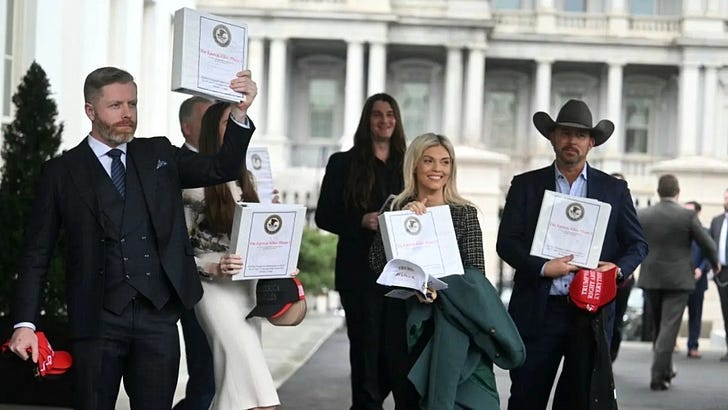
SPIERS: Yeah. I mean, even Curtis Lewes toward the end was like it was just sort of sick of Cuomo and he showed up to Mom Donny’s inauguration and people were interviewing him and he said, look, I believe the guy cares about New York City and he’s going to try. And, it was largely complimentary.
And, and I think when you, if you watch the debates, Lee was discussed with Cuomo was largely that he thought, Cuomo thought he had it in the bag and didn’t have to work for it. And, what was he going to do that was going to be different? So
Curtis Sliwa as an example of a Republican who likes an anti-oligarch message and agenda
SHEFFIELD: Well, and, and also speaking of sweet Sliwa, he also even after the, the campaign was over in January, was talking about.
That
he, he was against the billionaires. everybody in this country hates these oligarchs. And so if the Democrats, were able, like they, they, they claim to be data driven.
Well, gosh, you have a, you have a, you have a group,
that,
uh, everybody dislikes and for a justifiable reason, like who is a bigger threat to the average American Elon Musk or a trans woman trying to go to the bathroom. Hmm. You know, like the, the, this is you, you couldn’t ask for a better thing.
And but they, but they, but they don’t, they they don’t know how to do it. And also they don’t want to do it. I think a
SPIERS: Yeah. Some of it’s we have an asymmetry, the Republican Party, it’s entire platform is, is we can cater to billionaires ’cause we’re a pro billionaire. For Democrats it’s hard to run against billionaires when our biggest donors are also billionaires. And we do have money in politics. And I’ve seen this directly when, [00:54:00] when you’re trying to get progressive media outlets funded.
The right has no shortage of people willing to write checks for right wing newsrooms because they’re not worried that those newsrooms are going to turn around and say, we need to raise taxes on billionaires. But a progressive newsroom would probably put billionaires under, under the microscope.
And, and so we, it’s hard to get, it’s hard to get these things funded on our side.
SHEFFIELD: yeah, although,
there is a, there is an interesting kind of wrinkle to that, which is that, so when Trump was,
when he
was first running, all the Republican billionaires hated him actually. And so his fundraising numbers from them were almost nothing. He got almost nothing from them.
But he ended up. Getting more money because he got more money from the base. And that same dynamic is true in the Democratic party as well, that the Republican party is much, much, much more dependent on like five or six people than the Democratic party is. And so like, but, and so this is another kind of stuck in the, the nineties kind of scenario that the Democratic party as it has like this is both, it’s there, there’s some negatives to this, but the fact that the Democratic party has drastically improved its vote share among white collar professionals means that the, the small dollar donor base in the Democratic party is enormous.
And it can easily compensate for any loss of billionaires,
SPIERS: Well, I, I would say maybe a few years ago that would be true. Now I think there are enough billionaires in Trump’s court that he’s got plenty of resources and I worry
about the fact that we, have consumer spending fullbacks and, small donors are really stretched right now. Yeah, I generally agree with you though.
SHEFFIELD: yeah. Well, okay. I mean, that’s fair. But yeah, I mean, if, as the economy go down, but on the other hand, that motivates people as well. So, plus minus. But, now that he’s taken [00:56:00] office though, Malani, he, he gave his inaugural speech and and, and one of the other things that happened since he took office ’cause we, heard during the campaign and Cuomo said it and lots of Republicans said it, that if this guy gets elected, all the rich people are going to leave this city.
Well, they
SPIERS: Oh, I love it when they threaten to do that. They do it every single time. You know, a, a progressive gets anywhere near a position of power. Uh, but the reality is, you know, new York’s wealth is heavily centered in the financial industry, uh, and, you know, commercial real estate, things like that. And these are the same guys I was talking about earlier who idolize Great Gordon Gecko and think of him as a role model and not a cautionary tale.
Those people are so ego-driven, they’re not, they, they want to be, you can’t be a master of the universe from Boca Rat Time, Florida. You just can’t, like, they’re, they’re part of their entire identity is wrapped up in being a big. Sky in New York City, not in some random town with lower taxes in Texas. So the idea that, and, and also New York is a global hub.
It’s, it’s, it’s sort of an important place because of its geography and centrality and, and things like that, uh, that you can’t replicate. You can’t have a pile of billionaires. Just, this is also why they all keep
talking
SHEFFIELD: not going to get a flight to Riyadh from Boca Vu?
SPIERS: yeah, they, they all want to go live on some libertarian paradise island, but they don’t go do it.
Because what would be the fun of that? Like, they,
SHEFFIELD: Well, because it would suck. That’s
why.
SPIERS: Yeah. And they, they know that, so they’re not going anywhere.
SHEFFIELD: No, they’re not. I, mean, even
SPIERS: would, I would love it if they left. I, maybe it might, be less expensive around here, but
SHEFFIELD: Yeah. I mean even,
Even
Fox News, like, which is basically every single day saying, oh, New York is a hellhole. New York is a shithole,
SPIERS: While they sit in front of a window where you can see New Yorkers peering in the tourists. Kind of, yeah.
SHEFFIELD: Yeah.
So like, there, these [00:58:00] are all meaningless threats.
And the same thing is true even much, much more so at the national level that, the, the American market is so big and so multi Ferris and there’s so much so many resources here and smart people that making people pay their fair share. Is a no brainer. Like they can afford it and they’re not going to leave. And if they did, they would be idiotic
SPIERS: Well,
SHEFFIELD: no one else wants them.
SPIERS: what’s so insufferable about so many of the, the vocal oligarchs is that they have such a mentality that no one appreciates them and they’re really victims. And so, the sort of underlying point. When they say, I’m going to move out of New York, is, is that New York will fall apart without them.
And the reality is most of them don’t even pay taxes in New York anyway. They have sort of, everything’s in some offshore shelter. And so I, I don’t think, they’re not,
SHEFFIELD: And whatever they’re doing, a hundred other
SPIERS: goes somewhere else. Yeah, it’s, but it, it’s the poor me. No one appreciates me.
The little people don’t understand how much money I, I spend on philanthropy in order to get tax breaks and restructure my own finances, blah, blah, blah.
SHEFFIELD: Yeah.
Well, and, and, and when you look at just the, the numbers, like
the, the investment in of the federal government back to the national level but the investment of federal government in education or in infrastructure or housing , and regulatory consumer regulatory kit helping people not get nicked and dime to death.
All of that’s gone down starting with Reagan. And so the, the,
you
know, it was like this was an experiment that was tried and it didn’t work, and, and, and Democrats should say that, just, just tell people this is
the story
of what’s happened. And then, you know, Reagan came along and he, and he, and he took away he made, he stopped making people pay their fair share because they were benefiting from our country and our government and our.
[01:00:00] System. And look what’s happened. They, they haven’t shared the wealth. They said that it would help the economy and help us, you know, become, you know, I have all this opportunity and whatnot. Well, it didn’t work. And now you can’t support a family on one income. Now you can’t buy a house like the average age of a home buyer.
Now I read recently is 52 of, uh, of, of a first time home. That is awful. That’s awful. And it used to be, in, in the late seventies, it was like 32. So that’s, that’s the measure of where we are and just simply saying this stuff and telling people what happened.
’Cause I, I, I think that’s overall is the biggest problem of what That they don’t tell people what’s happening and what has happened.
And this ain’t like with Biden, sorry. And like with Biden, when he, he was doing the, the student loan forgiveness initiative people liked it. And then Republican sued and the Republican Supreme Court blocked it. But he never told people why they, why
that happened
SPIERS: yeah, I got into, I got into a big fight when I was still on Twitter with a Biden person who, who kept saying like, well, no, but we made an announcement. We had a press conference the other day, and, and it’s like you’re missing the point. That, that is such an old, outdated style of communicating to the electorate.
Like, you don’t not do it, but you gotta do a million other things and you have to say it over and over again. And this is another area where Trump’s style of communication is not strategic. It’s just Trump being Trump. It’s, it’s, he, he’s a braggart. He can only hold three messages in his ti in his head at one time.
And so, as a result, as a result, he repeats himself a lot. And, and that sort of has the, the utility for Republicans of, people being, hearing the same message over and over again. And he takes credit for everything that he does in the most obnoxious way possible. We don’t, we’re like, well, we, we all did this at as a team and we worked hard with Republicans and here’s our policy brief.
And, and it just doesn’t break through the noise. But also it doesn’t sound like a big deal [01:02:00] because Trump comes in and he says, I did this little thing, but it was the greatest, most amazing. And it doesn’t matter that he’s full of shit and he’s being hyperbolic, it’s still just, it takes up more of the oxygen in the room and we just don’t counter it,
Democrats have to aim for gigantic majorities, not just ‘wins above replacement’
SHEFFIELD: And and no, that Yeah, that’s a great point. And it, is just, just simple, basic.
market.
I mean, that’s really what we’re talking about here. That if you have this, this is, you are selling a product and you might not want to think of it that way, but guess what? That’s how it’s and
so
you, you have to have that mentality as well.
And and if you get lucky and nobody in the Republican side can step up and, do that in the same way that Trump did. That’s, that’s not a vindication. of,
of antiquated media strategy. That just means that you got lucky. And, we, this is not like the goal has to be, we have to figure out how can we get these FDR type majorities.
Again, like that has to be the thought no more. Well, we’re just going to get a plurality. That’s that, that’s, we’re just going to get, enough electoral votes. Two 70. That’s all we need. We’re not going to worry about anything else. I mean, we’re, we’re, we’re going to optimize our house candidates and only compete in this, in the, in the places where we can, get uh, wins above replacement, blah, blah, blah.
Like, this is all, it’s all nonsense and it’s fake. It’s fake data. It’s not real. And so you just need to get
over it.
SPIERS: Yeah, it, it’s, it’s also, I, there’s a lit, I see a little bit of a bright spot where there are people who, I think it’s beginning to sink in that communicating to the electorate is something that you have to do 24 7 indefinitely. It’s, it’s not just in the run up to an election. And it’s not just formal communication, I don’t see resources being spent that way yet.
And unfortunately where I do see them being spent, they’re being given to the same old consultants who have been, recommending the top down, tightly controlled messaging [01:04:00] forever. But, republicans have always had like a 20 year view on comms. They’ve always sort of said, there there is no comms period.
It’s, it’s a rolling thing, we’re always talking to the electorate. We’re always cultivating new voters. This is why a lot of people ask me, why don’t we have a turning point? Or something similar. And I way before Turning Point, I mean, the Republicans have always had sort of youth recruitment vehicles.
I got recruited by the Federalist Society when I was a freshman in college. Like I, I don’t we don’t, we don’t build these things for long term, we’re, we’re way too focused on the next cycle and not the next two decades. And unfortunately, cycles get staffed and resourced only, part of every four years.
And we don’t have enough permanent projects to really build the coalitions that you’re talking about, either organizationally or via messaging and comms. So,
SHEFFIELD: Yeah, and that’s why it is, might possibly be the case that the solution to these problems is probably not inside of the party. I
SPIERS: well, it, it’s
I think insurgent candidates are helping, you know, they, they’re, because they are sort of forcing some people to rethink their, you know, the way that they look at how campaigns work, how the electorate consumes media stuff like that. So in as much as, you know, I, I would say like, I, like, I think AOCs campaign, you know, helped some people better understand how you should be communicating with voters.
Not as many as I would’ve liked, but you know, now it’s like, well, is she an insurgent or she, she’s democrat. Like, she’s pretty clearly part of the party apparatus now. And I think the best case scenario is that for the party is that you have enough insurgents who come in with these talents. That, and, and we also just have some turnover in leadership, which I think, you know, needs to happen probably anyway.
So yeah.
SHEFFIELD: Yeah. Well, it’s a, it is a story that we can [01:06:00] keep tabs on for quite a while, Mm-hmm.
SPIERS: As long as we’re still here this time next year, it’s
SHEFFIELD: yeah. Yeah. Well, fair point, fair point. Alright, well, so, Elizabeth for people who want to keep up with you what are doing, what’s your advice?
SPIERS: Yeah, I’m a contributor to the New York Times opinion section and I also co-host a finance and econ podcast for Slate called Slate Money. And I send out my columns on my personal newsletter, which is just at elizabethspiers.com.
SHEFFIELD: Sounds good, thanks for being here.
SPIERS: Yeah. Thank you.
SHEFFIELD: So that is the program for today. I appreciate you joining us for the conversation you can always get more if you go to flux.community where we’ve got lots of podcasts and articles about politics, religion, media and culture and how they all intersect.
And if you are able to support us on Patreon or Substack, that would be great. You have free subscription options on both of those places. Just go to patreon.com/discoverflux, or you can go to flux.community on the Substack side. And if you’re watching on YouTube, please do click the like and subscribe button so you can get notified whenever there’s a new episode.