

Episode Summary
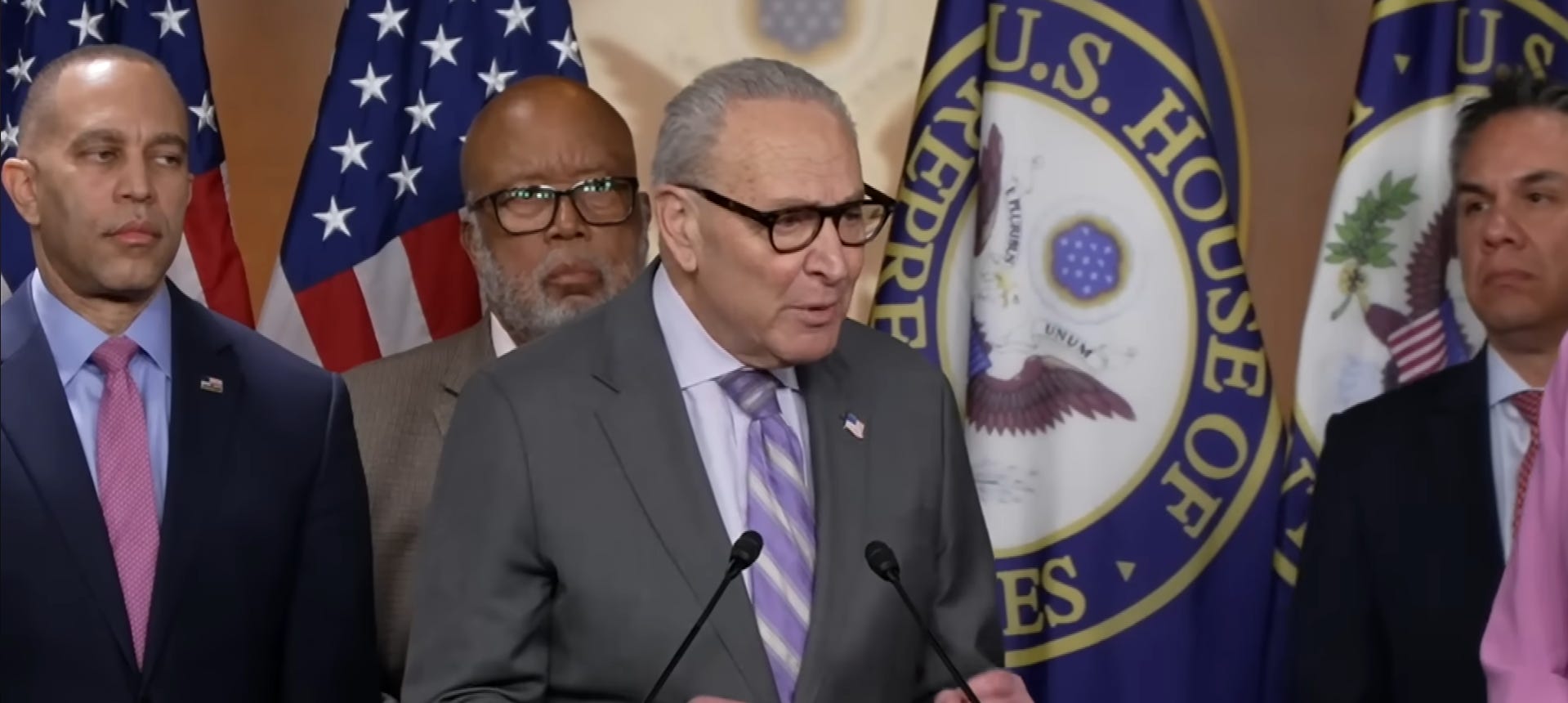
After months of chaos, censorship, violence, a deluge of Epstein files, and the untimely deaths of two American citizens, Donald Trump’s public approval ratings are at their lowest point ever. And though he’s loath to admit it in public, the president and his staff are having to make changes to try to stop the loss of support he’s seeing—including from within his own party.
Despite the fact that Trump has never been more unpopular, Democrats in Congress are having internal struggles over how to oppose him, with newer members wanting to use anything possible to gum up the works that the leadership seems to generally dislike. There’s a rift among the Democratic voter base about their party as well. In a late-January poll, Marquette Law School found that 51 percent of Democrats and people who leaned that way approved of the Democrats in Congress, with 49 percent disapproving. By contrast, 80 percent of Republicans and Republican-leaners said they approved of congressional Republicans. Only 20 percent disapproved.
The poll also found that while respondents who said they were “somewhat liberal” were evenly split on their opinion of congressional Democrats, those who identified as “liberal” were more likely to disapprove, a 54-46 percent.
Democratic voters seem to want their party to go much harder at opposing Trump, but this seems to go against the entire conception of politics that the party’s leaders understand, a viewpoint that has been largely fixed since the early 1990s—and has been shaped by conservative former Republicans who have not changed their viewpoints since becoming Democrats.
Talking about all this today with me is Chris Lehmann, he’s the Washington bureau chief at The Nation magazine and a contributing editor at The Baffler.
The video of our conversation is available, the transcript is below. Because of its length, some podcast apps and email programs may truncate it. Access the episode page to get the full text. You can subscribe to Theory of Change and other Flux podcasts on Apple Podcasts, Spotify, Amazon Podcasts, YouTube, Patreon, Substack, and elsewhere.
Related Content
Even Democrats who disagree with him should be paying attention to Zohran Mamdani
The ersatz data science telling Democrats to pursue mythical centrist voters
Confronting Trump relentlessly and telling the public about it is the best way to counter him
Joe Rogan and how Republicans and Democrats handle dissent differently
What Republicans know about politics that Democratic strategists haven’t learned yet
The endgame of Trump’s top advisers is far more extreme than Project 2025
Audio Chapters
00:00 — Introduction
07:37 — Despite Trump’s historic unpopularity, Democratic politicians aren’t unified on responding
17:07 — Democrats haven’t figured out that the opposition’s strengths can still be attacked
21:18 — The myth of informed centrism and Democratic elites’ failed rebuilding of the party’s electoral model
24:43 — Trump’s instinctive understanding of how to weaponize anger
30:17 — The top Democratic operatives and politicians are cut off from regular Americans’ experiences
35:20 — Many ostensibly liberal institutions are filled with David Brooks conservatives who call themselves centrists
40:06 — The radical right has been at war with modernity for decades, but rarely taken seriously
44:14 — The lost lessons of the World War II generations
52:43 — Epstein files reveal that the ultimate ‘globalists’ are right-wing
56:29 — Nihilism and Tucker Carlson
01:00:59 — Need for hope and transcendence in politics
01:09:02 — Anti-ICE protests as a sign of hope for the future
Audio Transcript
The following is a machine-generated transcript of the audio that has not been proofed. It is provided for convenience purposes only.
MATTHEW SHEFFIELD: And joining me now is Chris Layman. Hey Chris, welcome back to the show.
CHRIS LEHMANN: Very happy to be here, Matt. How are you doing?
SHEFFIELD: Good, good. Well, good enough, right? Minus the whole possible end of the country thing.
LEHMANN: Yeah. That’s always the disclaimer. Yeah.
SHEFFIELD: Yeah. Yeah. Well on, on the other hand though, there have been a number of positive developments recently. And that’s kind of what we’re here to talk about. And I think probably the biggest one is that, I mean, it’s for a very bad reason, but all of the violence and killing that the Trump regime has been doing against private citizens, the general public has finally started to notice it, it looks like.
LEHMANN: Right.
SHEFFIELD: And, but Trump himself, of course, is saying that he’s more popular than ever, but there is not a single poll that says that. And in fact, he also did [00:04:00] recently say that he has a, quote, silent majority. Like that to me is the biggest tale that, that he knows something is wrong with his PR approach.
LEHMANN: Yeah, absolutely. And I think, it is yeah, the situation is a perfect kind of storm of as you say, they’re objectively losing ground with the general public. And particularly what’s been striking is the group he is doing worse at is now the biggest group of, registered voters independents.
And, we are coming out of the 2024 cycle where everything was about the low information voter being mobilized by maga. And that’s when, you had these surges in support among Hispanic and black voters that were historic for a Republican candidate. But, but yeah, that has plummeted very dramatically to earth now. and, for instance, Latino voters say they oppose trump’s immigration policy by a 70 30 margin. So that is, there was all of this loose talk after last election day that, we are seeing the lineaments of a new Trump coalition akin to the, coalition that Reagan put together or that Nixon before him. and that was never true. And it’s become very clear that you, kind of live by the low information voter and die by the low information voter and one bad information penetrates, which is I think the most important thing out of this hellish period we’re living through.
They have no answer, they, just continually double down. It’s been, quite striking throughout all, esp especially the murderous siege of, Minneapolis, there’s a very standard presidential playbook for something like this is, [00:06:00] you sort of offer up whoever ty no’s head on a pike, you sort of acknowledge, okay,
SHEFFIELD: you feel their pain? Yeah.
LEHMANN: we got a little carried away and now we’re going to do, kinder, gentler murderous sieges, which, sadly the Democratic party would go for. And, would, they’ve already, what’s, you can always count on me to bring the clouds in any silver lining situation.
But, things that, Schumer and the Democrats in the Senate said they were going to go to the mat for and closed down the government over were things like having ICE and, CPB agents CBP rather agents wear cameras.
SHEFFIELD: Yeah.
LEHMANN: The administration has unilaterally done that anyway.
And because among other things, this is the kind of criminal gangster administration that, they’re, anytime footage from one of these cams is, going to be sought in a legal proceeding, they’ll say, oh, we lost it. It was destroyed, whatever. It doesn’t, it’s not going to change anything fundamental about the, the mass deportation program that is now spilling over into assaults on dissenting US citizens.
So, so yeah, the, administration has created all the conditions that have sunk, its standing in the polls and they’re just going to keep doing it. There
SHEFFIELD: Because they don’t know anything else. I mean, that’s the
LEHMANN: don’t know anything else. Right. And
SHEFFIELD: the Republican, sorry,
Despite Trump’s historic unpopularity, Democratic politicians aren’t unified on responding
SHEFFIELD: The Republican rights sole PR strategy for the past 80 years has been, well, we just have to be more right wing and then it’ll work,
LEHMANN: Yeah, which, it, has succeeded in getting them power. And and largely because of the, failure that Democrats to be an effective opposition party throughout this [00:08:00] whole long stretch of time you’re talking about. But yeah, we are now at this point where, I think ordinary voters who aren’t, that, certainly not ideologically driven and not, that informed about everything the Trump administration has been doing.
You see the the murders of Renee Good and Andrew Prince in, in Minneapolis, and I think just as powerfully you see the, deportation of. Liam, the five-year-old, in the bunny hat. there’s nothing the right can do to make that seem defensible or palatable.
it just, I think, triggers this deep human revulsion that I’m, glad that, American voters are experiencing ‘cause I was starting to have my doubts for a while there. But yeah.
SHEFFIELD: Yeah, there’s a significant disadvantage that the American left has in that. The, far right Republican agenda is so monstrous that when you tell people what it is, if they’re not informed, they don’t believe you, that it’s
LEHMANN: They won’t believe you. Right,
SHEFFIELD: It’s unbelievable. And in fact, like people have done that in focus groups.
They’ll say, okay, well, so here’s Donald Trump’s policy of x, and, the voters are like, no, that he doesn’t believe that.
LEHMANN: That can’t be right. Yeah, no, it, it does militate against, and, that is the political challenge for, the opposition is, to, present it in these very stark ways and to Yeah. To have enough of a coalition behind you. And that’s what, that’s the other thing that’s happening right now is I think, the citizens of Minneapolis who are, being really heroic and standing up to this siege are, forcing the leaders of the Democratic party to pay [00:10:00] more attention.
And it is striking, there was this long, in my view, extremely stupid interval where Matt Yglesias and the sort of popularist types of consultants and writers aligned with the Democrats were saying, we just can’t talk about immigration. It’s Trump’s greatest strength.
We don’t have a good answer except, we also want to, crack down on illegal crossings and, heightened border control. But we want to do it in a more, notionally balanced procedural wave. And that again, it’s that old, I always go back to the, there’s an old onion headline where that was like, I think a representation of a Jimmy Carter Reagan debate and Jimmy Carter is saying something like, Must be reasonable and broker accords across the world, whatever. and Reagan’s line is, let’s kill the bastards. And, obviously the, Reagan slash Trump position is morally abhorrent, but it’s very clear and decisive and it makes a very clear point. And if you’re just kind of sitting on your hands the way that you know, Matt and glaciers and also this new think tank, the Searchlight Institute that promulgated this, again, stupid memo saying, we can’t have Democrats say abolish ice.
They have to say reform ice, or better training, which I is especially insane because the, shooter who killed, murdered, Renee Goode was a firearms instructor. This is not in
SHEFFIELD: is definitely a problem, but it’s far from the, it is not the main problem.
LEHMANN: Right. And it’s not going to solve anything. You have, this is all under the, watch of Stephen Miller, who, is [00:12:00] a, fascist sadist, authoritarian goon, like, and it’s garbage in, garbage out. that is what you’re going to get as long as he is the defacto, sort of czar of immigration policy in this country.
And so you have, I know Democrats don’t like politics. They think they’re above politics. We were talking earlier about, the, sort of scourge of credentialed knowledge elites atop the Democratic party. and that is the main symptom of it, in my view. They think because they’re, they have fancy degrees and they’ve, wade it through the pertinent policy papers and consultant, memos that they don’t have to bother persuading people, they, have a sort of quasi divine rights based on being part of the knowledge elite to, just administer policy. And, in something like immigration where you, absolutely need a forceful moral position that sort of addresses, everything about the Republican policy on I immigration is a lie that’s not, hyperbole on my part.
Trump has, for a decade now, fallaciously claims that, there’s a, an out of control immigrant violent crime wave,
SHEFFIELD: Invasion, as he
LEHMANN: And invasion. And if you look at any statistics from, again, the past century really of, immigration. Immigrants commit violent crime at a significantly lower rate than the native born population.
And all you have to do is think about their situation to understand like, yeah, you’re not going to want to draw attention to yourself by committing a violent crime if you’re not in the country legally, and you might be deported. Like it’s, just, it makes zero sense
SHEFFIELD: And the stats show that too,
LEHMANN: right? The STAs absolutely.
Show that up and down Democrats don’t [00:14:00] effectively
SHEFFIELD: also they don’t draw on welfare.
LEHMANN: Or you’re,
SHEFFIELD: not
LEHMANN: my
SHEFFIELD: for it. they’re literally, they are paying into the economy and taking almost nothing out. That
LEHMANN: it is the polar opposite of what the Republicans claim. You’re absolutely right. They pay into social security and, Medicare and welfare and they get nothing back. So it’s a net positive. This in 2024 the I’m forgetting the agency, but the major federal agency that tracks these things estimated the contribution of immigrant workers over the next decade at $10 trillion.
So, like, if you just connect the dots here, and this is what I say when I’m in arguments with MAGA types, is like, what’s invading force gives you $10 trillion. Like there, sorry. You have to, find better words, to describe whatever it is. You’re, hallucinating. And on and on.
And, people even forget the reason for this. Heinous mobilization in Minneapolis is ostensibly because of. Rampant welfare fraud on the part of Somali daycare centers and, which has all been promulgated by a right wing YouTuber and has been demonstrated to be total BS at the level he’s claiming.
There was a little bit of,
SHEFFIELD: seems to be remarkably stupid. Low IQ person.
LEHMANN: yeah. No, I, that is all, true and taken as red. But and and again, just at the basic level of operational sensemaking, right, who mobilizes a paramilitary force to combat welfare fraud like you, the, if, it’s real, you get accountants, like none of this is, has anything to do with reality [00:16:00] and yet.
You go back to when Abrego, Gar Garcia here in Maryland was wrongfully detained, and, the president of El Salvador said it openly. Everyone in the justice said it openly. Chris von Holland, my senator, who I’m very proud of on this issue went to visit him at Sea Cod and, made this an issue.
And, reportedly Leonard Jeffries said, don’t do this again. It’s this whole idea, we can’t touch this issue. It’s, it’s Donald Trump’s, sacred source of popularity. And, that moment when, Van Holland sort of. Said, no, this is just wrong and I’m going to make it clear.
I think that, is when you know the, Democrats were finally forced into a position of, like, okay, we can’t just pretend indefensible things can be wished away.
SHEFFIELD: Yeah, or get away with just responding with angry press conference
Democrats haven’t figured out that the opposition’s strengths can still be attacked
LEHMANN: yeah. Right. An angry letter like that’s going to do anything. So yeah, and it all, and again, going further back and, sort of the history and this is all stuff you know very well from coming up on the right, but you know, I often think when. I have been thinking whenever it is, I would come across Jefferies or Schumer or some other Democratic leader saying, or Matt Iglesia saying like, we have to just shut up about immigration. It’s, Donald Trump’s strongest issue. Think back to the 2004 election cycle, which you know very well, right? So, John, the Democrats and their infinite wisdom decided we’re going to nominate John Carey because he is, this strong military leader. It’s the best way to go After the militarist, Iraq invading Bush [00:18:00] administration and what did the Republicans do?
They did not say, oh, John Kerry’s military record is so much superior to George w Bush’s, we’re just going to sit on our hands and hope this whole thing goes away. No, they invented the swift. Boaty where, you know, they, got these kind of under Carrie’s command who were high on, the, right wing supply to sort of confabulate all these things about Carrie’s record in Vietnam that wasn’t, that weren’t true.
And they, made a big show at the convention of wearing band-aids. I, can’t even remember what that whole, I’m sure you do. But the larger point is like, and, by the way the architect of that whole strategy was Chris what’s his name? The co-chair of the, no, The co-chair of Trump’s 2024 campaign. But my point, yeah, my point is, that is the kind of raw street fighting mentality that the right has been bringing to, electoral politics over the past, all of my political lifetime and well before that. And the Democrats, again, are in that Jimmy Carter position of like, well, let’s, do nice things for nice professional people.
It’s just not, it doesn’t work as politics.
SHEFFIELD: Yeah. Well, and a lot of this mentality it comes from something that we have talked about a little bit on the show. Last night we were on, and as I recall the idea of who makes up. Politics. And on the Republican side they are, in terms of the workers in the Republican industry, if you will it’s a broad, obviously they’re funded overwhelmingly by billionaire oligarchs, but in terms of the people who actually poll the levers and [00:20:00] stamp the papers and, make the spam they come from all over the place.
Like they, some of them were like me former trailer park kids and, and, some, like you a high school dropout. Like that’s, who’s running a lot of these Republicans, and especially in the Trump era, when basically Trump said to the existing Republican campaign professionals, get the hell out.
And so the doors were opened for anyone who supported him essentially. And
LEHMANN: And, they have adapted well to this new media environment in a, a way that again, as, you have observed over and over again, the Democrats have not, they have, again, this anti-politics model of politics that, you know, if we just, fine tune the wording of the message in such a way per our consultants and per our focus groups, we will get, the, marginal outcomes we need and, X number of purple districts or whatever, and,
SHEFFIELD: that they think people decide on issues. And again, that is the, class blind spot, right. That is like, I, think in terms of policy, I know the, kind of optimal policy solution for issue X, and I just have to tell voters and they will fall in line.
and here’s the other thing. Here’s
The myth of informed centrism and Democratic elites’ failed rebuilding of the party’s electoral model
SHEFFIELD: the other thing that is so frustrating is so they’ve got this idea, well, we just have to be in the center because that’s where most of the voters are well informed. Centrism does not exist. It’s not real.
No one is who actually knows about politics. It’s like, oh, I’m going to take my position exactly in between the parties. No one does that. Okay. Only people who are low information and don’t pay attention. But the other thing is, if that viewpoint were true, then Republicans would never win elections.
LEHMANN: right, right. No,
SHEFFIELD: a party that keeps getting more and more extreme
every
LEHMANN: I know right.
SHEFFIELD: And so that alone should [00:22:00] disabuse democratic elites of this, cautionary nonsense because it’s not, it isn’t actually data-driven like the, these guys have. they’ve constructed a mirage of data and they’re chasing after it, like Don Quixote and his windmills. That’s what they’re doing.
LEHMANN: I know. No, it’s absolutely true. And it is, it’s all, har harks back to, the, kind of, democratic Leadership Council, new Democrat model inaugurated in the Clinton years. And that was, after the crushing defeat of Walter Mondale in 1984, democratic elites decided, two things.
One is like we need to. Re-engineer the entire Democratic party so that we can retake the White House. And, sort of the other thing is a subsidiary premise of that we have to, discard the existing activist base of the party. We have to be the kind of, culturally moderate pro business knowledge elite.
this is the whole, the, literally the term yuppie derives from Gary Hart’s 1984 presidential campaign where initially, pundits first tried to call this new style of, knowledge driven Democrat the Atari Democrat. And that didn’t really take, ‘cause I don’t think anyone really knew much about tech or tech brands back then.
and then someone hit upon the term young, urban professional, and that was, Gary Hart’s kind of calling card in electoral terms. And no one bothered to notice that Gary Hart didn’t win or that Michael Dicus who adopted exactly the same model, he was going to be the, candidate of competence who presided over the tech miracle of Route 1 28 outside of [00:24:00] Boston.
And he was going to be, again, this managerial guy who was going to, be reasonable on, the cultural issues that had divided the country over the sixties and beyond. But be, this kind of stable managerial guy. And then finally, Clinton hit on the, sort of combination of traits that worked.
And it largely just stems from triangulation, which is Dick Morris’s contribution to the lexicon. Which is to say you take the issues that Republicans that belong to them and sort of soften the edges and, find again, as you were saying, this sort of mythic center point to sell a pro-business agenda.
Trump’s instinctive understanding of how to weaponize anger
LEHMANN: And what actually happened over that long recourse of, or recess, I should say, presidential campaigns is that, the Democratic party kicked its, working class base to the curb. The main legacy of Clinton in economic terms was NAFTA and gat and, the whole globalization agenda, which, a generation hence is the fodder for Donald Trump’s success.
He ran against most successfully in 2016, the. The real harm that globalization had done to the manufacturing centers of the country. And he didn’t deliver anything as a result. But he was the first candidate to sort of say, because, globalization is very much the oligarchs, kind of sweet spot.
And Democrats supported it, Republicans supported it. It was, Trump’s sort of genius at, that time to realize like, yeah actual voters feel really neglected and condescended to and harms by these policies. So I’m going to rhetorically speak to them and, continue to [00:26:00] govern as an oligarch.
SHEFFIELD: Yeah. Well, and the, yeah, the, thing is also that and this is another kind of inherent disadvantage that a party that is not, trying to destroy everything,
LEHMANN: Right.
SHEFFIELD: Is that, failure is actually good for Trump in some way because the worse things get, the more he can blame because his entire campaign, a approach and entire messaging approaches, those other people did this to you.
They’re hurting you. And so the worse he makes things, the worse he makes the economy, the worse he makes education, the worse he makes healthcare, the worse he makes inflation and jobs, whatever it is. He can always say, no, they did it. They’re the ones that are doing this. I am standing up for you.
LEHMANN: I am your retribution famously, right. And he can do that even in conditions like now where republicans, have a trifecta and of course the Supreme Court backing them up. So, yeah, it is, and it all goes long ago. Henry Adams said, politics is the organization of Hatreds.
And, Kevin Phillips Nixon’s famous, sort of campaign guru who helps engineer the southern strategy, took that up as his mantra. And, that has been the story on the right, certainly ever since. And the democrats, again, even in this unbelievably target rich environment, I mean, if Steven Miller were a Marvel villain, he would not be believable.
SHEFFIELD: Yeah.
LEHMANN: and and, that’s just for starters. I mean, you have JD Vance who’s just an obvious, I would say empty suit, but you know, he’s full of internet lies and he is a complete he will
SHEFFIELD: He is a four chan zombie, basically.
LEHMANN: Exactly. Exactly. That’s a very good way of putting it.
And Christina, all [00:28:00] of these, there is not a single con, I guess, maybe the interior guy is, I just don’t think he’s, gotten in enough trouble yet. But there’s, not a, and it’s all deliberately engineered this way. Pete Hegseth, all these people are just maga militant, I’m, I was about to curse, but,
SHEFFIELD: Oh, can do
LEHMANN: Oh, okay. That’s right. I’m, so used to being on the radio. I always catch myself. Yeah. But they’re just goons, I guess is the best term and, You can go after all of them. And somehow the Democrats, they don’t have any sort of unified theory of what’s happening right now. They don’t, I, it, is, I’m, I am, been very cynical for a very long time and I’m just kind of at a loss at this is the most advantageous set of, just leaving aside the horrific tragedy of it all and, and the massive corruption and abuse of power and, shredding of the Constitution and the rest of it.
Like, you have all sorts of ways to organize. Hatreds is my point, and you need to do it. That is, it’s an ugly business. I am, I’m not saying, it’s, good for the soul or anything like that, but. You need to go hammer in tongs after these people and make the message that you know if, yeah, if, you’re feeling scared, to be on the street in your city.
If you care about a five-year-old boy who’s been scooped up by this Gestapo operation, these are the people who are doing it to you. And that’s how you flip, the Trump reflex, which, you’re right, he is really good at always saying like, it isn’t me. It’s, enemy X. And again, and even outside the White House, like Elon Musk is, already a vastly hated figure.
He’s the [00:30:00] most important donor on the Republican party. Like, yeah, I’m just, when, in the course of my day job where I’m covering this, I’m, just like, how can this, how have the Democrats made this so hard?
The top Democratic operatives and politicians are cut off from regular Americans’ experiences
SHEFFIELD: Yeah. Well, okay. So, well, I would say, if we go back, just to the, so we talked about who comprises the Republican political class, but the Democratic political class is overwhelmingly wealthy. Overwhelmingly prep school kids overwhelmingly Ivy League educated.
And so these are people who never experienced hardship. These are people who don’t have, raucous debates in their own families or communities. They don’t know how to do politics because their entire, in their world, where they came from. Politics is bad. Having arguments, having disputes is a bad thing.
Like, let’s just sit down and be the adult in the room. Like that’s, and it works for that world. Like, if it, but this is not how the pol political world is, and especially in the age of Trump, you’ve got to, you have to change things up. But it’s, so difficult because they don’t, ever hire anybody who’s new.
I mean, like, you, look at the list. I mean, hell, we got James Carville. They’re still taking advice from this guy who hasn’t won an election
LEHMANN: a, he ran one successful campaign. He then went global and he was advising like Israeli Prime Minister candidates who lost, he, advised people inside, he’s just, yeah. It’s, dumbfounding and it’s only the reason James CarVal has a platform right. Is he can coplay. As I’m in touch with the working people.
I, I have a southern accent, even the, even though he lives in a mansion and he married a Republican political consultant, it’s all. Bullshit. But yeah, that he is like their spirit animal who can sort of,
SHEFFIELD: it.
LEHMANN: Say [00:32:00] that, oh, back in 1992, we, got all these, southern racist to, to fall in line behind Bill Clinton and I’m, I have this, mystic wisdom that no one else does.
It is, yeah. And that’s another thing, again, in coming in Congress, you see, that you saw this long march. That the reason that literally at this point, I think the reason that Republicans still have the majority in the house is that so many Democrats have died in 109, a hundred 19th Congress to sustain their, margin.
So, the, on the other side of the coin re the Republican caucus has a three term limit for anyone who’s chairman of a committee. Like three strikes you’re at, they’ll, there are some loopholes to potentially extend, but that’s the model that was Gingrich’s innovation and it was smart.
Because, you have on the democratic side, all these people who are just again, like almost literal zombies like Diane Feinstein at the end of her, term. And the, all the,
SHEFFIELD: Dick Durbin is,
LEHMANN: Dick Durbin. Yeah. And Jerry Conway who got the, gavel O over a OC on, the oversight committee and then died, you, and again, that’s another feature of, it’s, I, had this, insight, I can’t remember the exact circumstances, but I was writing about the DNC and David Hogg’s fight, to sort of run younger candidates and, and that predictably ended badly for him.
And I was, sort of reviewing all of this. And it’s suddenly dawn on me, like the Democratic National Committee is run like a university. And that’s so what it should not be. I think it all had to do like hog was forced out. ‘cause there, and [00:34:00] there, there was a legitimate question at the bottom of this, there was a procedural question that, a female candidate didn’t get properly didn’t get a proper hearing for hogs, vice chair position and all that, but it, just, it became this recursive like, and I know it well from having dropped out of grad school, this, is, the kind of all language and posturing brand of politics that drives me insane.
And predictably, every, everything about David Hogg’s substantive platform has been memory hold now. Right? The D NNC is just running on, autopilot. And they,
SHEFFIELD: Well, and it’s disastrous. I mean, they’ve
LEHMANN: no.
SHEFFIELD: nothing in the.
LEHMANN: They alienated two major union leaders, which again goes back to the whole PMC, distortion of the Democrats. If you’re serious about making this party an effective answer to right wing pseudo populism, you need left wing economic populism. It is that simple. But that is a big problem ‘cause you, you have the donors, you have the, sort of credentialed elites in political leadership and in this consultant class, the Democratic party does need to be remade from the ground up.
And I’m not sure how it happens.
Many ostensibly liberal institutions are filled with David Brooks conservatives who call themselves centrists
SHEFFIELD: I think, yeah, absolutely. And, one of the other big problems also is that the, American left institutions, such as they are they have opened their doors to lots of conservatives like David Brooks, who you recently wrote about it, but Barry Weiss and, Sam Harris and like all these people, but they call themselves centrist and, and it’s, and, but, and here’s what’s even more tragic.
Yeah. I mean, here’s what’s even more tragic though, is that there are people who are progressives who don’t like them. But instead of saying, no, these guys are conservatives, they’re calling them [00:36:00] Reactionary, centrist. And I’m like, please don’t do that. They’re not on your, they’re not on our side. They are like, I know because
LEHMANN: Right.
SHEFFIELD: was on the right and I found my consider myself like them.
I said, I was a conservative, a liberal conservative. That’s what these people are. They’re not centrist. There’s no such thing as informed centrism. So please stop calling these people centrist.
LEHMANN: Yeah, absolutely. No, I, it’s, it is funny, like I, remember way back when David Brooks was just starting to break. When the Bobo’s book was published, I was on some panel that he was also on, and I didn’t, obviously didn’t have any sense of the menace he would subsequently become. So, we all went collegially out for drinks after the, panel.
And, he asked me about like, my background at the time I was working at Newsday, but I’d come before, weirdly I was hired away from, in these times a socialist magazine in Chicago. and, Brooks got this varied sort of sober look and he said, well, I don’t, I generally don’t credit the, right wing, media bias claim.
But, I can’t imagine someone from say the National Review getting hired. Newsday and I was just like, dude, you came from the Washington Times. You, came from like a, literally a Mooney funded hard, right. Published Sam Francis, all these like, raging racists. And, you’re going to say like, I’m beyond the pale.
So ever
SHEFFIELD: Wesley Pruden. Yeah, they’re yeah, it was out and out Confederate.
LEHMANN: Yeah, absolutely. So like we, from that point on, we never got along. Let’s just say
the thing is like, I, again, like you, I, actually really relish robust political debate at Newsday. [00:38:00] I. These are things that I, probably, in retrospect, again, didn’t see any of this coming.
But, I published Tucker Carlson, I published Ann Coulter. Like all of these people who are I now acknowledge are monsters. But this was the nineties and they were, Tucker was a quasi libertarian back then, and Coulter was insane. I grant you, I, didn’t have a good excuse at that moment.
But the point is, like, I, was supposed to be this like OT automaton of the left, right? Who was going to like, I don’t know, published Edward Herman and Nome Chomsky over and over again. And, A, that’s boring. And B like, come on, whatever else you want to say about my beliefs, like I, I am a good editor, like, and that’s, what the job was. Anyway, I don’t mean to harp so much on how thoroughly I find David Brooks, but
SHEFFIELD: Well, yeah. No, but I mean, they’re, the people like him though, they, are just suffused all over publications that, present themselves to the public as liberal.
LEHMANN: No, that, I mean, that’s, the, what that reasonable conservative shtick, right.
SHEFFIELD: What is And look, and, I think we need people like that, but they should be over in the right wing media, not in our media.
LEHMANN: Yeah. Yeah, that’s fine. Or yeah, or, I, like, I get along with the, bul work, people just fine.
SHEFFIELD: mm-hmm.
LEHMANN: think they, I don’t know. I don’t know how they would characterize. I mean, they’re never Trumpers. But I don’t
SHEFFIELD: I think some of them have moved further left than others, but,
LEHMANN: No, it’s striking that Bill Crystal, I often observe that Bill Crystal, this makes me feel all kinds of uncomfortable, but is much better on strategy than the Democratic party’s leadership.
he is [00:40:00] definitely for, going hammering tongs after ice, and he is, yeah. And again, because he knows politics, right?
The radical right has been at war with modernity for decades, but rarely taken seriously
SHEFFIELD: Well, it’s, yeah, it’s, that, but it’s also that when, I think about it, that and, again, having been born and raised as a Mormon fundamentalist, so much of what drives pretty much every right-wing elite, even without religion, the non-religious ones, is they hate modernity.
LEHMANN: Oh yeah.
SHEFFIELD: it, and they, hate, they hate international institutions. They hate successful government. They hate any kind of order of, democratic system. They want everything to be done through the private sector in terms of like forcing social welfare to be done through religious organizations or, and then letting businesses have complete untrammeled, ability to destroy countries or, exploit citizens.
So no minimum wage like this is, so, they all want this. And the order that was built up through centuries or let’s say a century of effort, the people, once it was made, the people who ran it had no idea why they, what it, why it was good. Or how it could be better. And so then you, but then at the same time, you had this movement that started roughly around, during FDRs time in the us that, had and was like, no, we’re, this is all evil.
This is terrible. This is, satanic, this is socialist, this, and, we’re going to destroy everything. And, the, center left elite, they just, they’re the, ah, that’s not serious. They don’t really believe that it’s all nonsense. Like you, we don’t have to pay attention to Alex Jones.
We don’t have to pay attention to Donald Trump. In
LEHMANN: I dunno. Or yeah. No, that there was this [00:42:00] moment, these are, people have been, I feel like I’ve been tilted against my whole adult life, but like, when Richard Hofstetter and Daniel Bell, sort of came forward to declare, in this confident Cold War. Liberal moment, that ideology was a dead letter.
That you know what, the real scent strain of nativism and bigotry in American politics was populism, which was embodied by, at the time Joe McCarthy. And once McCarthy had been defeated, all of these, cold War liberal intellectuals, took
SHEFFIELD: The fever will break. That’s
LEHMANN: Right, Right, right, right, No, I mean, Arthur Schlesinger wrote a terrible book called The Vital Center, in which he endorses a lot of McCarthyism idea.
Is he, is, came out in support of loyalty os which is, it’s kind of like the Cold War version of like, let’s not say anything about immigration. Right. Like, we’ll, we’ll. be able to posture, as, heroic anti commie patriots and push everyone to the left out of the picture. So that, yeah, that whole dispensation, the, kind of Hs host, I guess you would say idea that, liberalism is just, and and Louis Harts famously wrote a book that argued there is no conservative intellectual tradition in America.
It, has always been liberal, it will always be liberal. And it’s, it is stunning to go back and read that, body of work now, because it is just so clearly delusional, and all of these things were, still happening. You had the virtue movement, which was getting a lot of momentum at the time.
You had. This sort of nascent Sunbelt Repub conservative movement that would ripen into the Goldwater campaign. And after that, the, Reagan campaign. And yeah, confident, complacent liberals just kept [00:44:00] saying, oh, that’s, that’s a maladaptive strain. It’s not going to, overtake a, a America’s rational body politic.
And that’s why we don’t, we still don’t have the weapons to fight it because, no one ever took it seriously.
SHEFFIELD: No, they didn’t.
The lost lessons of the World War II generations
SHEFFIELD: So one of the other things though is that, so liberalism, early liberalism did have to argue for itself and it developed the chops to do it and to make the case, and to have the interest and the passion to take talk to the public. But the only time that liberalism since then has, engaged directly with fascism and authoritarianism is militarily really in this country or in the anglophone world.
and so they, have no muscles memory to fall back onto that this is what we did last time and then this is why it worked, or this is why it didn’t work. There’s nothing there. I think.
LEHMANN: right. And you know it, FDR was very good at messaging around this issue. He depicted our entry into World War II as a battle between slavery and freedom, and it’s very stark. And, it’s, it is striking a while ago, I rewatched just passingly on cable, part of the best years of our lives, this 1948.
Movie about the demobilization of World War II veterans into American post-war society. And there’s this scene where one of the soldiers who can’t find a a better job is working as a soda jerk in a, drugstore chain. And this guy comes in who’s a fascist, who, finds out he was, he fought in the war.
And and he says something like, well, it’s too bad. You are on the wrong side. And Dana Andrews the actor who, plays this character just. Punches the living daylights outta the sky. It was, and it was just like, it, wasn’t that [00:46:00] shocking, I don’t think to viewers at the time. ‘cause that message had penetrated, like, fascists are, bad.
They’re, anti-American. They’re, not patriots. And this guy happened to be defaming a veteran, so he, got what for? But it is striking that coming out of World War ii, that message was unambiguous. Right. And after, the sort of long URA of the post Cold War era, we’ve, as you say, we’ve, lost the language.
We’ve lost the, ability to effectively conceptualize and, instead we’ve had this tedious, in my view, debate on among liberals and leftists about, when is it right to call Trumpism fascist? And, clearly that moment has come and gone. I don’t think anyone can look at the events in Minneapolis and say like, this is not the behavior of a fascist regime.
To say nothing of arresting Don Lemon like that, that I am missed. I’m a career journalist. I’ve worked in this industry for so long, and the deafening silence around the arrest of three African American journalists in Minneapolis for the simple crime of doing their jobs, that scares me as much as anything else.
Like we, our, media industry has long been corrupted by money and intellectual inertia and decline. But when you are unable to see that moment for what it is we are in, serious trouble
SHEFFIELD: Yeah. Well, and a lot of that I think also, so the left lost the ability to, argue, to make the case, but also conservatives. I think also they, through generational attrition, they, [00:48:00] because the, conservative Americans, during World War II and afterward, they had the personal knowledge that fascism is not conservatism also. and, that. And so that’s why when people like William F. Buckley and, his ilk came along, people were disgusted by it. It was appalling. And Barry Goldwater, had that massive blowout loss in 1964. And so people had, ‘cause they knew, as you were saying, they had the memory, well, this is what fascism gets you, it gets you, disaster, death and chaos.
and, they knew it because they had seen it with their own eyes. They had lived that memory and, now their grandchildren and great-grandchildren, they have no knowledge of any of those things. And so conservatives now are, they’re, starting to think, oh, well, maybe we, should align with these fascists because gosh, if we don’t then, my belief that I shouldn’t have to pay any taxes or my belief that.
My, the children should be forced to read my religious views like that. That won’t be the law of the land. And that would be awful if I couldn’t make people live that way. And, so they don’t have a commitment to democracy a per and, that’s, the unfortunate thing. When you look at, and the cognitive psychology on this is absolutely unanimous that people who are conservatively conservative politically ha they come to that way of belief through their psychological orientation and their cognitive style.
It isn’t because of the issues. It’s not because of,
LEHMANN: right.
SHEFFIELD: It is simply, I like simple ideas. and, as Roger Scru called them the the unthinking people and he said that they were great. They weren’t necessary for society. And, and like that’s who elected Donald Trump. These were not [00:50:00] people. Overwhelmingly, the people that the demographics that flipped for Trump in 2024 to 2020 were younger people who had no memory of his first term and no idea what he was, what had
LEHMANN: Whereas what was laying in late. Right, right. No, and it’s yeah, it’s also just true that this, cohort of people, the people who don’t think if, they’re not giving, I mean, you can say the fascist, the anti-fascist impulse was also an unthinking reflex at, the time.
So if you’re not given. A strong sense of what’s at stake. And this has, been my frustration with another frustration with the Democratic Party is you’ve had these successive presidential campaigns that have run on what is objectively the case that Donald Trump and the MAGA movement are a mortal threat to our democracy.
But the sad truth is that most especially younger people have no meaningful experience of, living in a democracy. Right. They, certainly don’t have it. When it comes to organizing their working lives it’s, become an incredibly adverse environment for union organization, even though there are a lot of, there is a lot of really powerful organizing going on.
And they don’t have any sense of, democracy as something that is, meaningful in a atmosphere of sort of total civic corruption. If democracy means anything, it means powerful people are held to the same legal, moral, ethical standards as the rest of us. And that has not been the case for a very long time.
And the Epstein files are such an object demonstration of that. Right. And [00:52:00] it’s, very interesting. It’s. All, very close to a, confirmation of Q Anon. There is a global pedophilic conspiracy, but guess what a lot of your team is, part of it. And that’s why, there’s been the, there, there was this great righteous Q Anon slash MAGA push to get the Epstein files released.
And even now with them heavily redacted and I’m, convinced, like the most damaging Trump stuff is still being held in reserve. But there’s still enough there that, yeah, you people are going quiet a about it who were like, this was so central to their identities, right?
Epstein files reveal that the ultimate ‘globalists’ are right-wing
SHEFFIELD: Yeah. Well, and it’s. Well, and these people, I mean, in the files, I mean, this, it, with the sole exception of Noam Chomsky, who has always been morally problematic in my view overwhelmingly this was people who were the conservative Democrats and Republicans. That’s it. Like there, there aren’t any other leftist people in these Epstein files as far as I’ve seen.
And
LEHMANN: So, yeah, that’s the thing is like the, it’s, like the reverse photographic negative of Q Anon.
SHEFFIELD: yeah, what’s, like Q Anon was invented and promulgated as the defense mechanism basically
almost and because, and I don’t know, but, it’s also that, when you’re reading these files, and I, one thing that struck me was this conversation, these conversations that Peter Thiel.
Jeffrey Epstein were having, and and they were both, I mean, what it shows very clearly is that Epstein was very friendly to, toward Trump and, solicitous for him, and concerned that he would win. And so when he was talking with Teal, he, one of the things he said was that Epstein said, well, Rexi is just the beginning.[00:54:00]
And, then, and Teal was like a beginning of what?
LEHMANN: What? Right, right,
SHEFFIELD: and Epstein then proceeded to quote back Peter Thiel to himself, essentially the beginning of tribalism, the destruction of the old institutions. So that, basically, I mean, this is you, this is super villain stuff, Chris. That’s really
LEHMANN: No, that’s what I’m saying. Right,
right.
SHEFFIELD: people, won’t, wouldn’t believe that it was real. If you, wrote it as even as nonfiction, like, and that’s, that is the thing that as a reporter who’s reported on extremism for a long time, and I’m sure you’ve seen this as well, that when you tell people, this is what these guys are doing, this is their agenda.
They don’t believe you. They don’t believe you.
LEHMANN: I, when I, shortly after I started at the Nation, I wrote a cover story on Q Anon, circuit whatever, 2022 coming out of the pandemic. And I did a couple of radio interviews where, you know or podcasts where people flat out refused, when I would trot out, the, basic stats at that point, which is that more than 30% of Americans endorse some version of the, Q anon, fantasy.
And, people just flat. I said to me like, that can’t be right. I’m just like, I’m not making this up, which is, yeah.
SHEFFIELD: That’s, and that really is the, cardinal or the original sin of, American, broader left is they don’t take these, the far right. Seriously enough. And they, and you see it also, in terms of like when you turn on Ms now as it’s called, it’s always the same people on the shows.
Like, you don’t, hear any new speakers. You don’t hear any new thoughts, new strategies. No. It’s like, let’s hear what these people already told you for the hundredth
LEHMANN: right, right. And their version of sort of viewpoint diversity is like Joe Scarborough and Nicole Wallace, [00:56:00] you know who I, both, I sort of knew them both when they were actual Republicans and they weren’t interesting people then. that’s, a Yeah, it is this, I mean, and obviously Fox News does the same thing, but they’ve, got, this more, no one is under any illusion that they’re presenting a balanced picture of anything. I think they’ve even retired the, fair and balanced slogan at this point.
Nihilism and Tucker Carlson
SHEFFIELD: Did. Yeah. Yeah. But, and then but then we have also on the other side that on the further left that I think that there’s just a lot of nihilism, and like I used to, do some work with the Young Turks, like that channel just nihilists, everyone on there is a
nihilist and they monetize nihilism and thinking, oh, what if we, teamed up with Tucker Carlson to go after the government?
And it’s like, Tucker Carlson hates capitalism because he’s a feudalist.
LEHMANN: Right.
SHEFFIELD: that’s not,
LEHMANN: Talk about your fault against modernity. Right.
SHEFFIELD: That is not your ally under any circumstance now. And it is true, but it is true. On the other hand that the, people who are his audience, a lot of them, have potential to be converted or at least to stay home and, stop, listening to these assholes because they’re not listening to them because the, because they’re presenting ideas.
like, right this week as we’re chatting Christopher Ruffo, the right wing activist, it was complaining about how all the most red Substack are left wing. And so therefore, Substack has a left wing bias. And it’s like, no, your side doesn’t read. You guys don’t like to read. You like to listen to a a, guy in a chair talk for three hours to tell you what to think about everything.
That’s what your [00:58:00] model is. You don’t want to read a concise essay. You don’t want to read an academic paper. You don’t want to read a researched magazine cover story. You don’t want that. Your audience doesn’t want that, and they never have,
LEHMANN: Yeah. Yeah. And
Yeah, it’s funny, I just reviewed this new Tuck Tucker biography by Jason Ley. And again, it’s striking just like, and again, I, knew tr Tucker and the before times. And he’s just an uninteresting person. Like, and he, he figured out, the real pivot point in his career wasn’t an ideological conversion moment.
It wasn’t like he suddenly decided Pat Buchanan and Sam Francis or whoever are my, new, idols it, he decided he wanted to be on tv. That was it. And, people forget all this, but you know, he tried, he, he was on Dancing With the Stars. He auditioned to be a host of A NBC game show and didn’t get it.
And,
SHEFFIELD: sNBC host also.
LEHMANN: he was also an M-S-N-B-C host. Yeah. And that flatlined and, and when he came to Fox Roger Ailes openly professed hatred for him. Again, I think in sort of class terms, he’s just obnoxious, preppy asshole. And, Roger was a, son of a hardware store owner in Ohio. And and so Tucker would get these sort of gigs where he would, he was like a, stunt weekend anchor.
He would like play cowbell for Blue Oyster Cult and, do stupid. It’s the same sort of idiocy that Pete Hex has used to do when he was a weekend host. So,
SHEFFIELD: Before he was our de defense secretary.
LEHMANN: Yeah. Right. And before Tucker Carlson was a kingmaker who’s, now being speculated about is Donald Trump’s successor. And it was on, it was only, because Trump got elected a and Bill O’Reilly succumbed to his massive sex pest scandal that Tucker got [01:00:00] the primetime spot on, Fox.
So it’s less, sort of the origin story of, a right wing, super villain than what makes Sammy run, in my view. Like he just, he figured out, how do I stay famous? And, this is his ticket.
SHEFFIELD: Yeah, well, and yeah, and that there’s gotta be something in between just letting any schlub have a job and only letting people who, worked for Bill Clinton 30 years ago have a job. Like there’s gotta be somewhere in between. I.
LEHMANN: Yeah. I mean, I think for that to happen, again, it’s like with the Democratic Party, you need to, and it’s like the commercial model of mainstream media, especially television is flatlining right now. So there people do have to approach it from a fundamentally different standpoint. But you know, it’s the same problem.
You have entrenched money, you have entrenched, sort of a professional cast above it all.
Need for hope and transcendence in politics
SHEFFIELD: The other thing also, besides having a more oppositional left and that is really willing to go to the mat left, there also has to be a more open and hopeful left. and that actually was something that was different about the 2008 Barack Obama campaign and, people didn’t learn that lesson.
And I would tie it back to, in this post-war consensus that existed Also, that when we look at authors like, ha Aand or where from, like they talked, a very well about the, and, had lengthened several, like a lot of books, about this real psychological origins of fascism.
And, it is an ideology of despair. There’s an ideology of loss of death. And you can’t, you cannot defeat that unless you offer the opposite of that to
LEHMANN: right, right. And which again, like I, I think FDR [01:02:00] was really a, great model for that. had, A kind of messaging that was sort of, formally encapsulated in like the fireside chats where, you know, he. This was like the most Patricia person on the planet, basically. I think his mother moved with him to Harvard for his freshman year.
Like, but you know, he, was able to sort of tap into this sort of wellspring of, a shared national identity, a shared national purpose that was, expansive and, was targeted at, coming out of the depression, the, forgotten man, the the need,
SHEFFIELD: Yeah.
LEHMANN: And, the four freedoms, which was, sort of in my view, the unfulfilled legacy of modern American liberalism.
So, and, and part of the hopeful element. It is some a subject that we, both have an abiding interest in, which is religion. And it’s been striking to me, the, showing of sort of, clergy and pastors in Minnesota that recalls very vividly to me, the civil rights era, which people don’t adequately understand.
This is another problem of historical memory. The civil rights movement was basically a reli religious revival. That you don’t get the level of heroic commitment on the part of ordinary people to literally put your body on the line to tilt against this, century long, unjust system of racial oppression. That was not, it was not going to go away by virtue of conventional interest group politics. we knew all of that.
SHEFFIELD: Or
LEHMANN: D’s sins was striking, right? Right. You need moral imagination. You need a sense of a higher justice. You need all of that to galvanize people under the most adverse imaginable conditions who actually did overthrow Jim [01:04:00] Crow, who created a second reconstruction in this country.
So yeah, I absolutely agree. And I do think, religion is one of the things that people on the left again, reflexively dismiss or don’t understand or think they don’t have to, it’s, regarded as a, an aism. And you know what’s happens over all this time is it has become. Almost, it’s the largest, as you well know, evangelicals are the largest voting block for Trump.
And you have to ask yourself. Yeah, there, you’re right. This is fascism is an ideology of despair and nihilism and, lust and, ultimately self-destruction, I think. And but how does it get harnessed to the evangelical movement? Right? That is a huge question that I think needs serious unpacking.
And no one on the left can be bothered. That’s again, to go back to the Q Anon thing, like, I think in the lead of that piece, I talked to this very good Matthew Sutton this great historian of American Evangelicalism, and he said, the first time I saw one of these Q anon, sort of fever charts of all the, kind of alleged, lines of transmission in this global pedophile conspiracy, I thought to myself, I’ve seen this before. And it was, the sort of dispensationalist flow chart of human history.
And it was all this, it’s structurally identical. And he, was right. I looked it up after I interviewed him. That’s a very deep, and I would argue like a universal human longing, people need history to make sense. And they will, in the absence of anything else, they were glam into the most improbable, bizarre, paranoid, delusional, conspiratorial nonsense.
But it makes sense to them, and it gives them a sense. I interviewed someone else, another [01:06:00] student of the movement who said like, Q anon it works like a religion in the sense that it give, it gives you a sense of purpose. It gives you a, like, you get up every day and you think, I’m going to go track the global pedophile conspiracy online.
It gives you something to do. I,
SHEFFIELD: And it gives you community too
LEHMANN: Right. A community of like-minded people, all that, Trump rallies,
SHEFFIELD: and purpose and
LEHMANN: right? Yeah.
SHEFFIELD: and
that’s, yeah, go ahead.
LEHMANN: I was just going to say, Trump rally rallies also function as religious revivals. That way, you’re, among the elects, everyone understands what the project is.
You’re going to ritually denounce the enemy who is satanic all the rest of it. It’s, very powerful. And there’s nothing on the left that comes close to it in, my opinion.
SHEFFIELD: Yeah, no, there isn’t. And it’s, it’s that so like the, early American reactionaries, like, they, they were big fans of this German philosopher named Eric Vogel.
LEHMANN: I know, well I’ve read widely
SHEFFIELD: and like, and he was obsessed, but not
LEHMANN: kind of, I, kind, I like his gnosticism book.
SHEFFIELD: Okay. Although that what, that, what do you call narcissism was not narcissism, but but, I will say, yeah, like the thing that, that was kind of his overarching idea was that people must have transcendence and that they have to see themselves, they have to see the bigger picture, and that this is a innate human longing.
LEHMANN: right.
SHEFFIELD: And I think he was right about that. Like his history was crap and he was an authoritarian
LEHMANN: no.
SHEFFIELD: scholar.
LEHMANN: all true. Yes, all true.
SHEFFIELD: but you know, the, larger idea that people, they want something outside of themselves. Because, the, this is the, this world is a, is an unforgiving and cruel place.
LEHMANN: It’s harsh
SHEFFIELD: so if we
LEHMANN: and it’s, also,
SHEFFIELD: something else, to
LEHMANN: alienating and [01:08:00] atomizing, so if you can come together like. And what Martin Luther King famously called the beloved community. Right. The, and the power of, that moment, I think was kind of the high watermark of certainly the moral imagination of American liberalism.
And and I do think, yeah, you’re right. The, early, sort of flush times of the O Obama campaign were called that. But again, the problem there, I would argue, was a structural one with the Democratic party. Like Obama was not going to do what FDR did. He wasn’t going to found a pecora commission to go after the bad actors in the banking industry that brought about the 2008 meltdown.
He famously told the bankers when he summoned them, that I am, I’m all that stands between you and the pitchforks like. Yeah, that was the thing. You had a, sort of civil rights, veneer over the same product. Which it was neoliberal, finance industry, centrism
Anti-ICE protests as a sign of hope for the future
SHEFFIELD: Yeah. Well, and, I would say though that, I guess on a more hopeful note, it’s hard, Chris but, but you know, the, like the protests that we are seeing in, Minnesota and the various No Kings rallies, the, these are, this is a, recapturing of that. But ultimately, the people who will, solve these problems are not in, they’re the ones who are just the regular marchers right now.
LEHMANN: Yeah.
SHEFFIELD: Ultimately and, when, and to put their bodies on the line. Like people can see the regular non-political public as you were saying earlier, when, they see just regular normal people like Alex pre or like Renee Goode, being mercilessly killed and abused and gassed.
That, that has an effect in the same way that, the civil rights marchers of the [01:10:00] 1960s and the anti-war marchers of the
LEHMANN: Bull O’Connor. I’ve thought of Bull Connor all throughout this. Yeah. And I think they are also, these are the people who are creating pressure on the Democratic party to, at long last, do something. And we’ll see how, far that goes. And if the Democratic Party doesn’t do something, we need a new Democratic party.
SHEFFIELD: I think so. All right. Well, let’s see. So you got anything coming out in the next little bit for people to, keep an eye out for or that, you want
LEHMANN: oh God. Oh me. I I’ve been doing a bit more editing, so I’m, I haven’t been writing at my usual frequency. The, last thing I did was this David Brooks thing you mentioned, and I got I think I was surprised actually at the response that got, ‘cause I’ve, been attacking David Brooks literally for decades.
But yeah, other, apart from that, I’m just, waiting for the next catastrophe. We’ll, see
SHEFFIELD: Well, so what social media do you want people to follow you on? How about that?
LEHMANN: well, I deactivated my Twitter account finally, when I, speaking of editing, I edited a piece about, how gr has become the world’s most popular, I guess, source of pedophilic imagery. And I was just like, okay, I’m out. So yeah, I am. What is I, what is my blue sky? Monitor moniker. I can never remember.
I guess it’s, yeah, it’s @chrislehmann.bsky.social.
SHEFFIELD: Okay. Sounds good. All right. And then of course, people can always read you at the Nation as well,
LEHMANN: Exactly, yes. Thank you.
SHEFFIELD: All right, so that is the program for today. Appreciate you joining us for the conversation, and you can always get more, if you go to Theory of Change show where we have the video audio transcript of all the episodes. And if you are liking what we’re doing here, we have paid and free subscription options.
You can subscribe on patreon.com/discoverflux, [01:12:00] or you can subscribe on flux.community on Substack. And if you can do a paid subscription, that would be great. I would really appreciate that. This is a hard time for media and for journalists who are not funded by oligarchs like Elon Musk or any of these other people like Jeff Bezos.
So that would be great. But I’d still like to stay in touch anyway, if you can’t afford that right now. and if you can forward the show to your social media or something like that, and if you’re watching on YouTube, you please do click like and subscribe so you can get notified whenever there’s a new episode.
Thanks a lot.